
US Federal Reserve Cuts Interest Rates Again: What It Means for the Global Economy
The US Federal Reserve has once again reduced its benchmark interest rate by 25 basis points, lowering the federal funds rate to a range between 3.75% and 4.00%. This marks the second rate cut of the year, reflecting the central bank’s cautious attempt to support growth amid economic uncertainties and data disruptions caused by a partial government shutdown.
Why the US Fed Made the Move
The decision to ease monetary policy was influenced by several pressing factors. The job market, which had been resilient for months, has begun showing signs of slowdown, with weaker hiring and early indications of rising unemployment. At the same time, inflation remains above the Fed’s 2% target, creating a complex policy dilemma — balancing price stability with economic growth.
Adding to the challenge, the ongoing government shutdown has limited access to timely economic data. Many key reports, such as employment and consumer spending figures, have been delayed, leaving policymakers without full visibility. The Fed described the situation as “operating in a fog,” emphasizing that future rate decisions will depend on how new data unfolds once reporting resumes.
Inside the US Fed’s Decision
The vote among Federal Open Market Committee (FOMC) members was not unanimous. Two policymakers dissented — one favored a larger 50-basis-point cut to counteract economic weakness more aggressively, while another preferred to keep rates unchanged.
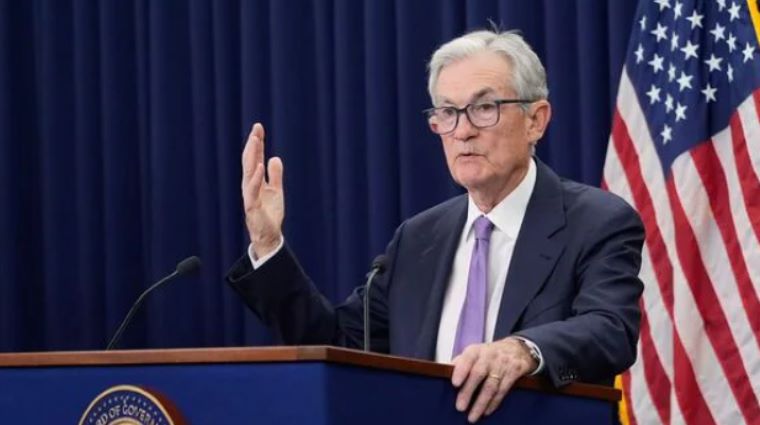
Federal Reserve Chair Jerome Powell noted that the committee’s approach would remain flexible, stating that future rate changes “will depend on what we see in the data,” signaling that additional cuts are possible but not guaranteed.
Economic and Market Impact
The immediate effect of the rate cut is lower borrowing costs for consumers and businesses. Mortgage rates, auto loans, and corporate financing are expected to become slightly cheaper, potentially stimulating spending and investment.
Financial markets responded with mixed reactions. While stock indices initially climbed on expectations of easier monetary conditions, investor optimism was tempered by the Fed’s cautious tone regarding future actions. Bond yields declined on shorter maturities, while long-term yields fluctuated as traders reassessed inflation expectations.
Globally, the decision is likely to weaken the US dollar slightly, which could provide some relief for emerging markets. However, it may also lead other central banks to re-evaluate their own policies in response to potential capital flow shifts.
Key Risks Ahead
Despite the positive market reaction, several risks remain on the horizon:
- Inflation resurgence: If prices rise faster than expected, the Fed might have to reverse course and tighten policy again.
- Labour market weakness: A deeper employment slowdown could force more aggressive rate cuts.
- Data uncertainty: With limited economic indicators available, forecasting the right monetary stance remains difficult.
- Global ripple effects: Changes in US rates affect currencies, trade balances, and financial flows worldwide, creating potential instability.
Looking Forward
The next Federal Reserve meeting in December will be closely watched. Markets are pricing in another potential 25-basis-point cut, but Powell’s remarks suggest that the committee could pause if inflation pressures persist or growth stabilizes.
Ultimately, the Fed appears to be walking a fine line — providing enough support to sustain the economy without reigniting inflation. Its current stance signals a “measured easing” approach rather than an aggressive stimulus.
Conclusion
The latest rate cut underscores the Fed’s balancing act between fostering economic stability and keeping inflation under control. For borrowers and investors alike, it offers short-term relief but also a reminder that monetary policy remains data-dependent.
As 2025 nears its end, the global economy continues to watch the Federal Reserve closely. Its next moves will not only shape the US economic outlook but also influence markets and policy directions around the world.