
Mass Protests Escalate in Iran as Government Imposes Nationwide Internet Blackout
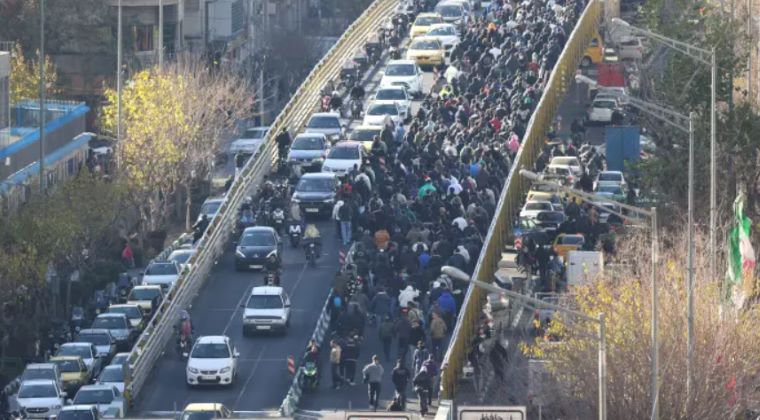
Iran is witnessing one of the largest waves of public unrest in years, with thousands of people taking to the streets in cities and towns across the country to protest economic hardship, political repression and government mismanagement. The unrest has prompted authorities to impose a nationwide internet blackout and severe communications restrictions in an effort to control the flow of information amid intensifying demonstrations.
Protests Spread Across Cities and Provinces
Demonstrations initially erupted in late December 2025 over worsening economic conditions — including rising living costs, inflation and a sharply devalued currency — and have since expanded into a broader challenge to the Islamic Republic’s leadership.
Large crowds have been reported in major cities such as Tehran, Shiraz, Isfahan, Kermanshah, Mashhad and Karaj. Witnesses describe streets filled with protestors chanting slogans against the government and the country’s Supreme Leader. Many express frustration not only over economic hardship but also demand political change and greater freedoms.
Protesters have unified around chants like “Death to the dictator” and some have even voiced support for the return of Iran’s exiled Crown Prince Reza Pahlavi, a symbol of historic opposition to the clerical establishment. The demonstrations have continued for more than a week and show signs of becoming sustained and widespread.
Internet Blackout and Communication Crackdown
Iranian authorities responded to the protests by cutting or severely restricting internet access nationwide. Monitoring groups have reported that connectivity dropped abruptly and nearly entirely, effectively creating a digital blackout that isolates citizens from global online communication and hampers independent reporting on the ground.
This tactic — previously used during major unrest episodes — aims to disrupt protest coordination and limit the transmission of information both inside and outside Iran. Analysts note that such a shutdown dramatically reduces visible reporting of events, complicates aid efforts and deepens international concern.
Violent Clashes and Casualties
Clashes between protestors and security forces have turned violent in several locations. Human rights monitoring groups report that dozens of people have been killed, and thousands have been detained throughout the protests. Many of those detained are civilians who participated in marches or strikes supporting the demonstrations.
Security forces have used various tactics to disperse crowds, including tear gas, live ammunition and mass arrests. Markets and bazaars, once centres of economic activity, have shut down in solidarity with protestors, further amplifying the impact of the unrest on daily life.
Viral Symbol of Defiance: “I’m Not Afraid”
One of the most widely shared moments from the protests is a viral video showing an older woman marching defiantly despite apparent injury. In the footage, she appears to be bleeding from the mouth and chants: “I’m not afraid. I have been dead for 47 years.”
This powerful declaration references the 1979 Islamic Revolution, which established the Islamic Republic and marked the beginning of decades of clerical control. By saying she has “been dead for 47 years,” she symbolises widespread exhaustion and disillusionment with the system that has dominated Iran since that revolution.
The clip spread widely online, amplified by Iranian activists and diaspora voices who framed it as representative of deep-seated frustration and courage among Iranians challenging the status quo.
Government and Leadership Response
Senior Iranian leaders, including Supreme Leader Ayatollah Ali Khamenei, have framed the protests as the work of “vandals” and accused foreign powers of instigation. State media has presented a narrative blaming external interference for the unrest, even as civilians face severe economic strain at home.
Officials have warned that further protests will be met with state force and have defended the internet shutdown and crackdowns as necessary steps to maintain order. This hardened stance reflects the regime’s broader concerns about losing control amid deteriorating economic conditions.
International Context and Reactions
The turmoil in Iran has drawn international attention. Various governments and rights groups have expressed concern about the heavy-handed response and loss of life. Some foreign leaders have issued warnings to Iranian authorities, advocating restraint and respect for peaceful protest. At the same time, geopolitical tensions involving Iran — including regional disputes and international sanctions — add complexity to foreign responses.
Calls for dialogue and protection of human rights have intensified as the situation evolves, with outside observers urging de-escalation and respect for citizens’ freedoms.
Conclusion: A Nation in Unrest
As protests continue to grow, Iran faces one of its most serious internal challenges in decades. What began as economic grievances has expanded into a broader confrontation with the political system. The government’s decision to impose an internet blackout underscores both its concern about information spread and the intensity of opposition sentiment.
The haunting images and slogans emerging from the streets — including the viral footage of a defiant woman — have come to symbolise a population demanding change. With no immediate resolution in sight, the protests threaten to shape Iran’s political and social landscape significantly in 2026.