
Holla Mohalla 2026: Martial Spirit, Nagar Kirtans and Celebrations Across Punjab
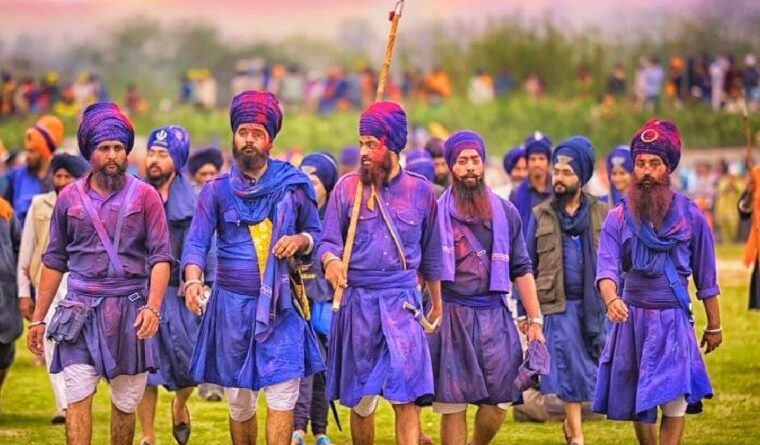
The annual Holla Mohalla festival is underway in Punjab this March, drawing large gatherings of devotees, martial arts demonstrations and colourful nagar kirtans — particularly at historic Sikh centres such as Anandpur Sahib and other key gurudwaras across India.
Holla Mohalla, also spelled Hola Mohalla in some regions, is a three-day Sikh festival that traditionally follows the Hindu festival of Holi. Unlike Holi’s focus on vibrant colours and play, Holla Mohalla celebrates Sikh martial heritage and the resilience of the Khalsa tradition. It was established in the early 18th century by Guru Gobind Singh, the tenth Guru of Sikhism, as a day for Sikhs to demonstrate courage, combat skills and discipline.
Cultural and Spiritual Significance
Holla Mohalla is centred on the idea of “marching forward” and readiness to defend righteousness. The word “Hola” is linked to martial readiness, while “Mohalla” implies an organised procession. Over centuries, it has evolved into a vibrant festival where participants perform displays of martial arts, mock battle formations and equestrian feats.
During the celebrations, large nagar kirtans — religious processions featuring devotional hymns (kirtan), spirited crowds and ceremonial flags — wind through streets as devotees walk, sing and reaffirm their faith. These processions are marked by voluntary service (seva), communal meals (langar) and traditional music that reinforces Sikh values of unity, selfless service and courage.
2026 Festivities in Punjab and Beyond
This year the festival is observed from March 3 to March 5, 2026, with major events in Punjab’s holy city of Anandpur Sahib, where Sikhs from across India and abroad have gathered. Pilgrims also participate in colourful street processions, devotional singing, and martial displays that combine tradition with contemporary enthusiasm.
Nagar kirtans are taking place not only at Anandpur Sahib but also at gurudwaras in other regions, including Patna Sahib and local Sikh communities, reflecting the festival’s wide resonance among the Sikh diaspora.
Rituals, Martial Demonstrations and Langar
A hallmark of Holla Mohalla celebrations is the display of Gatka, the traditional Sikh martial art involving swordplay and stick fighting, which honours the valor of Sikh warriors. The atmosphere is both devotional and energetic, as participants and spectators come together in a blend of spiritual reflection and physical demonstration of discipline.
Communal langars — free meals served to all regardless of background — are another central feature. Langar serves not only nourishment but also symbolises Sikh principles of equality and service to humanity.
Political and Religious Dialogue Amid Celebrations
The festival also sees community leaders and religious figures engaging in discussions about contemporary issues. At a conference held during this year’s Holla Mohalla, senior Sikh leaders addressed topics related to transparency and reforms within key Sikh institutions, reflecting a blend of spiritual celebration and community discourse.
Environmental and Social Challenges
Despite the joy and devotion that mark the festival, some environmental concerns have surfaced. Efforts to encourage plastic-free celebrations — supported by religious authorities and local boards — have encountered challenges on the ground, with plastic waste appearing in parts of festival sites and along approach roads. This highlights the tension between large crowds and infrastructure capacity during peak festival days.
Hola Mohalla vs. Holi: Distinct yet Connected
Though Holla Mohalla follows the Hindu festival of Holi, the two celebrations differ fundamentally:
- Holi centers on colour throwing, joyful revelry and seasonal renewal.
- Holla Mohalla focuses on martial spirit, discipline and collective identity, providing a spiritual complement to the festive mood of spring.
Together, these festivals illustrate the cultural diversity of India’s springtime rituals — one celebrating unity through play, and the other through strength and devotion.
Conclusion
As Holla Mohalla 2026 continues, it remains one of Sikhism’s most dynamic celebrations — blending faith, history, martial tradition and community solidarity. From nagar kirtans winding through city streets to colourful gatherings of devotees, the festival embodies centuries-old traditions while resonating with contemporary Sikh life across India and around the world.
Let me know if you want a short photo caption pack or travel guide highlights for the festival!