
Rapido Rider Sends Inappropriate Messages to Woman After Ride: Viral Incident Raises Safety Concerns
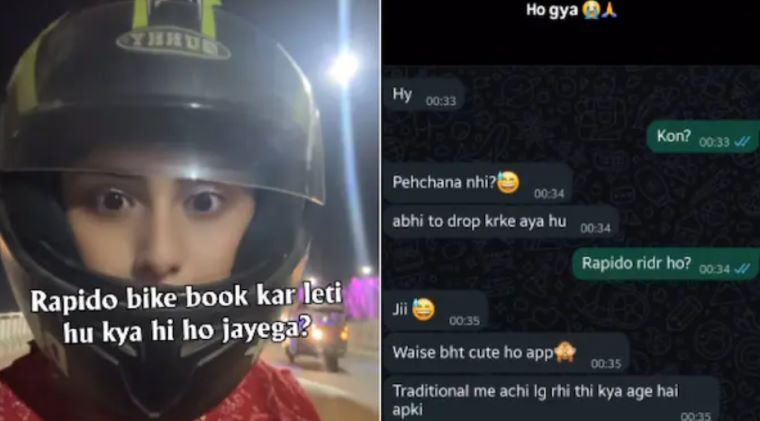
A recent incident involving a Rapido rider has sparked widespread outrage across social media, raising serious concerns about women’s safety in ride-hailing services. A woman from Ghaziabad shared screenshots of inappropriate WhatsApp messages allegedly sent by a Rapido driver after completing her ride.
The incident quickly went viral, prompting a response from Rapido and igniting a larger debate on data privacy and passenger safety.
Rapido Rider Messages Woman: What Happened?
According to reports, the woman booked a ride via Rapido and reached her destination safely. However, shortly after the trip ended, the driver allegedly contacted her on WhatsApp using her personal number obtained during the booking.
In the messages, the driver:
- Introduced himself as the rider who had just dropped her
- Complimented her appearance, calling her “cute” and saying she looked good in traditional attire
- Asked personal questions like her age and whether she lived alone
- Suggested meeting her the next day
Disturbed by the interaction, the woman blocked the driver and shared screenshots of the conversation online.
Social Media Outrage
The post gained massive traction online, with thousands of users reacting strongly.
Many people expressed concerns such as:
- Misuse of customer contact details
- Lack of privacy protection
- Safety risks for women passengers
Several users also shared similar experiences, suggesting that this may not be an isolated case. The incident has reignited conversations around accountability of ride-hailing platforms.
Rapido’s Response
Following the viral post, Rapido issued a public apology.
The company stated that:
- The driver’s behavior was “unethical” and “completely unacceptable”
- Such actions do not reflect their service standards
- The matter would be investigated on priority
Reports also indicate that the platform may take strict action against the rider, including suspension or permanent removal.
Bigger Issue: Safety & Data Privacy
This incident highlights a critical issue in app-based transport services—access to personal data.
When users book rides, drivers often receive:
- Phone numbers
- Pickup and drop locations
While this is necessary for coordination, misuse of this data can lead to:
- Harassment
- Stalking risks
- Privacy violations
Experts believe platforms need stronger safeguards like:
- Masked phone numbers
- In-app communication only
- Stricter driver monitoring
Not an Isolated Case
Similar incidents in the past have also raised red flags around rider behavior and safety protocols. In some cases, complaints have included harassment, inappropriate conversations, or unsafe conduct during rides.
These repeated incidents suggest a need for:
- Better driver verification
- Stronger complaint systems
- Faster action on reported cases
Safety Tips for Riders
In light of such incidents, here are some precautions passengers can take:
- Avoid responding to messages after the ride ends
- Block and report any inappropriate communication
- Share ride details with friends or family
- Use emergency features within apps
- Prefer in-app calling instead of direct numbers
Conclusion
The Rapido rider controversy is more than just a viral incident—it is a wake-up call for the entire ride-hailing industry.
While companies continue to expand services, ensuring passenger safety and data privacy must remain a top priority. For users, awareness and caution are equally important.
As discussions continue, one thing is clear:
Convenience should never come at the cost of safety.