
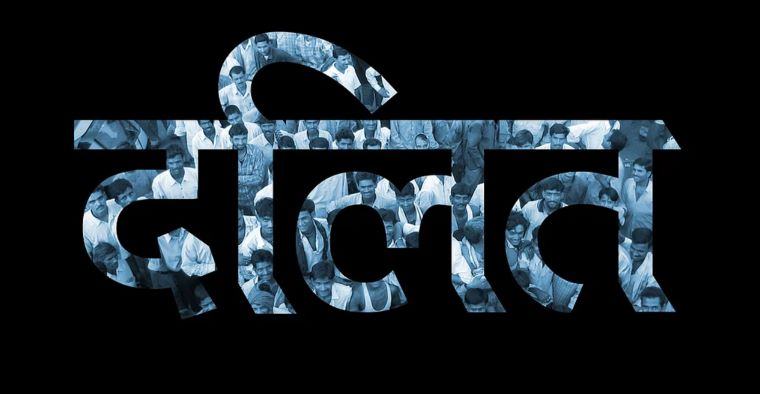
Rajasthan Police Directs Officials to Replace ‘Dalit’ with ‘Scheduled Caste’ in Official Records
The Rajasthan Police Headquarters (PHQ) has issued a directive instructing all police officers across the state to stop using the word “Dalit” in official documents. Instead, officials have been directed to use the constitutionally recognized term “Scheduled Caste (SC)” or “Anusoochit Jati” in FIRs, case diaries, departmental correspondence, reports, and other official records.
The order has drawn attention nationwide because it changes the terminology used in official police documentation while leaving the legal rights and protections available to Scheduled Castes unchanged.
What Does the New Order Say?
According to the Rajasthan Police directive:
- The word “Dalit” should no longer be used in official police records.
- Officers must use “Scheduled Caste (SC)” or “Anusoochit Jati” instead.
- The instruction applies to:
- First Information Reports (FIRs)
- Investigation records
- Departmental correspondence
- Official reports
- Other police documents and communications.
The directive has been circulated to senior police officials, including Inspector Generals (IGs), Superintendents of Police (SPs), and other field units across Rajasthan.
Why Has Rajasthan Police Issued This Direction?
The order is based on the distinction between constitutional terminology and social or political terminology.
The Constitution of India and laws relating to reservations and welfare measures use the term “Scheduled Castes” rather than “Dalit.” The Rajasthan Police stated that official records should therefore follow the legally recognized terminology.
The move is also consistent with earlier advisories issued by the Ministry of Information and Broadcasting and guidance linked to previous court observations regarding terminology in official communications.
Does This Affect Legal Rights?
No.
The directive only changes the terminology used in official records.
It does not:
- Change the constitutional status of Scheduled Castes.
- Affect reservations or welfare schemes.
- Alter protections available under the Scheduled Castes and the Scheduled Tribes (Prevention of Atrocities) Act, 1989.
- Modify eligibility for government benefits.
The legal rights and safeguards available to Scheduled Castes remain unchanged.
Why Is the Term “Scheduled Caste” Used Officially?
Under Article 341 of the Constitution of India, communities notified by the President are classified as Scheduled Castes for legal and administrative purposes.
As a result, government records, notifications, reservation policies, and official documents generally use the term Scheduled Caste instead of other social or political identifiers.
The Difference Between “Dalit” and “Scheduled Caste”
Although the two terms are often used interchangeably in public discussions, they have different contexts.
| Term | Context |
| Scheduled Caste (SC) | Constitutional and legal term used in official government records |
| Dalit | Widely used social, cultural, and political identity adopted by many activists and communities |
Many individuals and organizations continue to use “Dalit” as a self-identifying term in social and political discourse, while government departments generally rely on the constitutional terminology for official documentation.
Background of Similar Advisories
This is not the first time government authorities have advised against using “Dalit” in official communication.
In previous years:
- The Ministry of Information and Broadcasting advised media organizations to avoid using the term in official broadcasts.
- Government communications have generally preferred the constitutionally recognized expression “Scheduled Caste.”
The Rajasthan Police order follows the same administrative approach.
What Changes for Police Officers?
Police personnel in Rajasthan will now be expected to:
- Update official documentation using “Scheduled Caste.”
- Avoid using “Dalit” in official correspondence.
- Follow the revised terminology in future investigations and records.
The directive applies specifically to official police documentation and administrative work.
Public Debate Around the Move
The terminology has long been the subject of public discussion.
Supporters of the change argue that official records should strictly follow the constitutional language.
Others note that many people proudly identify as “Dalit” as a social and political identity, emphasizing that the term carries historical significance beyond legal classifications.
The Rajasthan Police order addresses official administrative terminology and does not regulate how individuals or organizations describe themselves in public discourse.
Conclusion
The Rajasthan Police’s latest directive requires officers to replace the word “Dalit” with “Scheduled Caste” in official records, aligning police documentation with constitutional terminology. While the order changes the language used in government paperwork, it does not alter the legal rights, constitutional protections, or welfare benefits available to Scheduled Castes.
The move reflects an administrative decision regarding official terminology, while broader public discussions about identity and language are likely to continue.
Frequently Asked Questions (FAQs)
1. What has Rajasthan Police directed?
Rajasthan Police has instructed officers to stop using the word “Dalit” in official records and instead use “Scheduled Caste” or “Anusoochit Jati.”
2. Why was this order issued?
The directive aims to ensure that official police records use the constitutional and legally recognized term “Scheduled Caste.”
3. Does this change any legal rights for Scheduled Castes?
No. The order only changes official terminology and does not affect constitutional rights, reservations, or legal protections.
4. Will the word “Dalit” become illegal?
No. The directive applies to official Rajasthan Police records. It does not prohibit individuals or organizations from using the term in public or social contexts.
5. Which documents will be affected?
The order applies to FIRs, investigation records, departmental correspondence, reports, and other official police documents.
6. Is this the first such directive in India?
No. Similar guidance has previously been issued regarding the use of constitutional terminology in official communications, including advisories from the Ministry of Information and Broadcasting.