
Warangal Artist’s Micro Sculptures Travel to Space on Skyroot’s Vikram-1 Rocket
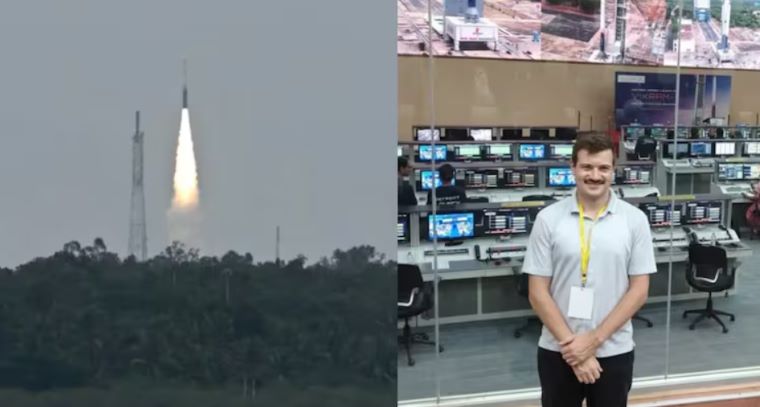
India’s space journey reached another historic milestone as Skyroot Aerospace’s Vikram-1 successfully entered orbit, becoming the country’s first privately developed orbital rocket. Along with technology demonstration payloads, the mission carried something truly unique—microscopic sculptures of Indian scientific legends created by Warangal-based micro artist Ajay Kumar Mattewada.
The launch not only marked a breakthrough for India’s private space industry but also celebrated the country’s artistic talent by sending miniature artwork into space for the first time.
A Historic Milestone for India’s Private Space Sector
Skyroot Aerospace launched Vikram-1 from the Satish Dhawan Space Centre, Sriharikota, under Mission Aagaman.
The mission successfully placed multiple payloads into a 450-kilometre Low Earth Orbit (LEO), making Skyroot the first Indian private company to achieve an orbital launch. The success is considered a major milestone following India’s space-sector reforms that encouraged private participation.
Tiny Sculptures with a Big Message
Among the symbolic payloads were three micro sculptures, each measuring only 800 microns (0.8 mm)—smaller than a grain of rice and invisible to the naked eye.
The sculptures feature three legendary Indian scientists:
- Dr. C. V. Raman
- Dr. Vikram Sarabhai
- Dr. A. P. J. Abdul Kalam
Created by internationally acclaimed micro artist Ajay Kumar Mattewada, the artwork celebrates India’s scientific legacy while showcasing the country’s artistic excellence.
Who Is Ajay Kumar Mattewada?
Ajay Kumar Mattewada is a renowned micro sculptor from Warangal, Telangana, known for creating incredibly detailed artworks at microscopic scales.
With the successful launch of Vikram-1, he has become one of the first Indian artists whose officially recognized artwork has traveled into space, creating a unique intersection of art and aerospace innovation.
Why These Scientists Were Chosen
The three scientists honored through the micro sculptures represent different pillars of India’s scientific achievements:
Dr. C. V. Raman
India’s first Nobel Prize winner in science, recognized for discovering the Raman Effect.
Dr. Vikram Sarabhai
Widely regarded as the Father of the Indian Space Programme, he laid the foundation for ISRO and India’s modern space ambitions.
Dr. A. P. J. Abdul Kalam
Known as the Missile Man of India, Dr. Kalam played a key role in India’s missile and space programmes before serving as the country’s President.
The sculptures symbolize India’s journey from scientific discovery to space exploration.
More Than a Rocket Launch
Besides carrying commercial and technology demonstration payloads, Vikram-1 also transported symbolic items representing India’s achievements and aspirations.
The inclusion of microscopic artwork demonstrates how modern space missions can preserve and promote cultural heritage alongside scientific innovation.
Why Vikram-1 Is Important
The Vikram-1 mission marks several firsts for India:
- First privately developed Indian orbital rocket.
- Successful placement of payloads into Low Earth Orbit.
- Major milestone for India’s private space ecosystem.
- Demonstration of advanced propulsion, avionics, and guidance technologies.
- First officially launched Indian micro sculptures to travel into space.
A New Era for Indian Innovation
The successful mission highlights how India’s growing private space sector is encouraging collaboration between scientists, engineers, entrepreneurs, and even artists.
As private companies like Skyroot continue developing launch capabilities, India is expected to play a larger role in the global commercial space industry while creating new opportunities for innovation across multiple fields.
Conclusion
The launch of Skyroot Aerospace’s Vikram-1 represents far more than a technological achievement. By carrying Ajay Kumar Mattewada’s microscopic sculptures of C. V. Raman, Vikram Sarabhai, and A. P. J. Abdul Kalam into orbit, the mission beautifully combined science, culture, and creativity.
As India celebrates its first successful private orbital rocket launch, this unique artistic contribution serves as a reminder that the country’s journey into space is powered not only by engineering excellence but also by imagination and inspiration.
Frequently Asked Questions (FAQs)
1. What is Vikram-1?
Vikram-1 is Skyroot Aerospace’s first orbital launch vehicle and the first privately developed Indian rocket to successfully place payloads into orbit.
2. Who created the micro sculptures sent into space?
The sculptures were created by Ajay Kumar Mattewada, a renowned micro artist from Warangal, Telangana.
3. Which personalities are featured in the micro sculptures?
The sculptures depict Dr. C. V. Raman, Dr. Vikram Sarabhai, and Dr. A. P. J. Abdul Kalam.
4. How small are the sculptures?
Each sculpture measures only 800 microns (0.8 millimetres), making them smaller than a grain of rice.
5. Why is the Vikram-1 launch significant?
It marks India’s first successful private orbital rocket mission, demonstrating the country’s growing private space capabilities and commercial launch potential.
6. Where was Vikram-1 launched from?
The rocket was launched from the Satish Dhawan Space Centre in Sriharikota, Andhra Pradesh, under Mission Aagaman.