
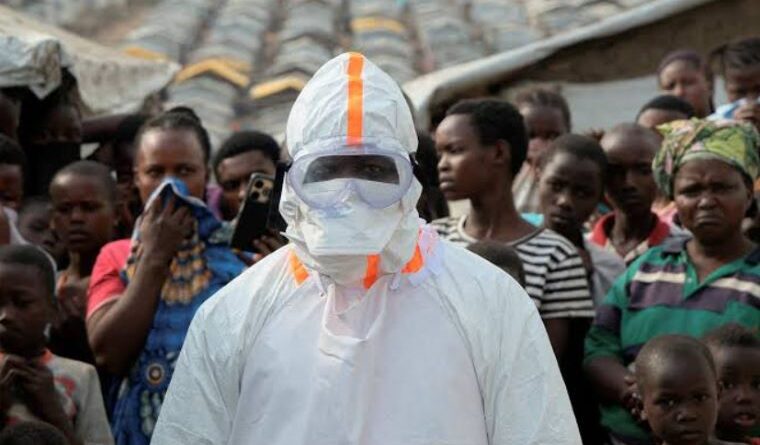
Ebola Outbreak in DR Congo Nears Record High as Cases Top 3,200
The Democratic Republic of Congo (DRC) is battling one of the most severe Ebola outbreaks in its history. Health authorities have confirmed 3,262 Ebola cases and 1,437 deaths, bringing the outbreak close to the scale of the country’s devastating 2018–2020 epidemic, which recorded more than 3,400 cases. Experts say this is the fastest-growing Ebola outbreak the country has experienced.
The outbreak, officially declared in May 2026, is primarily affecting Ituri Province but has spread to several neighboring regions. Ongoing armed conflict, displacement, and limited access to healthcare have made containment efforts extremely challenging.
What Is Happening in DR Congo?
According to the latest figures released by Congolese health authorities:
- 3,262 confirmed Ebola cases
- 1,437 confirmed deaths
- Hundreds of patients remain in isolation and treatment facilities.
- New infections continue to be reported almost daily.
The rapid increase in infections has raised concerns among global health agencies, with experts warning that the outbreak could soon surpass the country’s previous record.
Which Ebola Virus Is Responsible?
Unlike previous outbreaks caused by the Zaire strain, the current epidemic is linked to the Bundibugyo strain of the Ebola virus.
This is significant because:
- There is no approved vaccine specifically for the Bundibugyo strain.
- No targeted antiviral treatment has been officially approved.
- Doctors must rely largely on supportive medical care to improve survival.
The absence of a proven vaccine has made controlling the outbreak considerably more difficult.
Why Is the Outbreak Spreading So Quickly?
Health experts attribute the rapid spread to several factors:
1. Armed Conflict
Violence in eastern Congo has limited access to affected communities, making surveillance and treatment difficult.
2. Population Displacement
People fleeing conflict often move across districts, increasing the risk of transmission.
3. Community Mistrust
Some communities initially resisted health workers, delaying case reporting and contact tracing.
4. Limited Healthcare Infrastructure
Shortages of medical staff, equipment, and funding have slowed response efforts.
5. Unknown Index Case
Authorities have not yet identified the original source of the outbreak, complicating efforts to interrupt transmission chains.
Symptoms of Ebola
Ebola is a severe viral disease that spreads through direct contact with infected bodily fluids.
Common symptoms include:
- High fever
- Severe headache
- Muscle pain
- Weakness
- Vomiting
- Diarrhea
- Abdominal pain
- Internal or external bleeding in severe cases
Early diagnosis and supportive medical care significantly improve survival chances.
Challenges Facing Health Workers
Medical teams continue to face major obstacles, including:
- Attacks on healthcare facilities.
- Delayed reporting of infections.
- Difficulty tracing contacts.
- Understaffed treatment centers.
- Logistical problems in remote areas.
These factors have slowed containment efforts and contributed to continued community transmission.
Uganda Declares Its Outbreak Over
While Congo continues to battle the epidemic, neighboring Uganda has officially declared the end of its latest Ebola outbreak after completing the World Health Organization’s recommended 42-day monitoring period without new locally transmitted cases.
Uganda’s outbreak was linked to imported infections from the DRC, highlighting the regional nature of the health threat.
What Are Health Authorities Doing?
Authorities and international organizations are working to:
- Expand surveillance.
- Improve laboratory testing.
- Isolate infected patients.
- Trace contacts.
- Educate communities about prevention.
- Strengthen infection-control measures in hospitals.
Despite these efforts, the ongoing conflict continues to hamper response operations.
Why This Outbreak Matters
The current Ebola outbreak is significant because:
- It is the fastest-growing in the DRC’s history.
- It is approaching the country’s previous record outbreak.
- No approved vaccine exists for the Bundibugyo strain.
- Continued spread increases the risk of regional transmission if containment efforts are disrupted.
Conclusion
The Ebola outbreak in the Democratic Republic of Congo has become one of the country’s most serious public health emergencies in recent years. With more than 3,200 confirmed cases and over 1,400 deaths, health officials are racing to contain the virus despite conflict, limited healthcare resources, and the absence of a licensed vaccine for the Bundibugyo strain. Continued international cooperation, stronger surveillance, and community engagement will be critical to slowing the spread in the weeks ahead.
Frequently Asked Questions (FAQs)
1. How many Ebola cases have been reported in DR Congo?
As of the latest official update, the Democratic Republic of Congo has reported 3,262 confirmed Ebola cases.
2. How many people have died in the current outbreak?
The confirmed death toll has reached 1,437, making it one of the deadliest Ebola outbreaks in the country’s history.
3. Which Ebola strain is causing the outbreak?
The outbreak is caused by the Bundibugyo strain of the Ebola virus, for which there is currently no approved vaccine or specific treatment.
4. Why is the outbreak difficult to control?
Armed conflict, displacement, healthcare shortages, community mistrust, and challenges in contact tracing have made containment efforts much more difficult.
5. What are the symptoms of Ebola?
Symptoms include fever, headache, muscle pain, weakness, vomiting, diarrhea, abdominal pain, and, in severe cases, internal or external bleeding.
6. Has the outbreak spread outside DR Congo?
Some imported cases were detected in neighboring Uganda, but the country has since declared its Ebola outbreak over after completing the required monitoring period without further local transmission.