
Raksha Bandhan 2026: Correct Date, Shubh Muhurat, Bhadra Timing and Puja Vidhi
Raksha Bandhan 2026 will be celebrated in India on Friday, August 28. This year, there has been some confusion over whether Rakhi should be observed on August 27 or August 28 because the Shravan Purnima Tithi begins on August 27 and continues into the morning of August 28. According to Panchang-based calculations, August 28 is the appropriate date for the festival.
The festival celebrates the special bond between brothers and sisters, with the Rakhi symbolising love, affection, protection and the promise of standing by one another.
Raksha Bandhan 2026: August 27 or August 28?
The confusion comes from the timing of the Purnima Tithi.
In 2026, the Purnima Tithi begins at around 9:08 AM on August 27 and ends at around 9:48 AM on August 28. Since the relevant Purnima Tithi continues through sunrise on August 28, that is considered the appropriate date for Raksha Bandhan according to the cited Panchang calculations.
Therefore, families planning the traditional Rakhi ceremony should mark Friday, August 28, 2026 on their calendars.
Raksha Bandhan 2026 Shubh Muhurat
The main Rakhi-tying Shubh Muhurat on August 28 is reported as:
5:57 AM to 9:48 AM
This gives devotees a window of approximately 3 hours and 51 minutes to perform the traditional Rakhi ceremony.
The timing can vary according to location and the Panchang being followed, so families in different cities should check their local timings where necessary.
What Is Bhadra Kaal and Why Is It Important?
Bhadra Kaal is traditionally considered an inauspicious period for performing certain auspicious rituals, including tying Rakhi.
In 2026, Bhadra falls on August 27 and ends before sunrise on August 28, meaning the main Rakhi-tying window on August 28 does not overlap with Bhadra.
This is one of the reasons August 28 is considered suitable for the ceremony.
Raksha Bandhan Puja Vidhi
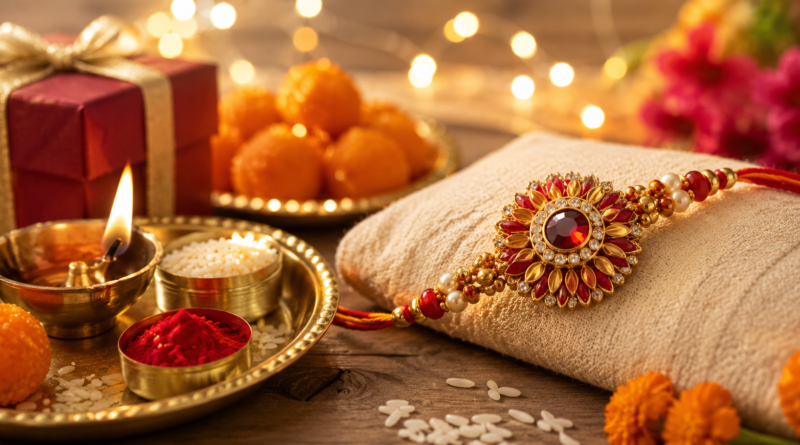
The Raksha Bandhan ceremony is traditionally performed with a Rakhi thali containing items such as:
- Rakhi
- Kumkum or roli
- Akshat (rice)
- Diya
- Sweets
- Incense
- Flowers
The sister traditionally applies a tilak to her brother’s forehead, performs an aarti and ties the Rakhi around his wrist. She then offers sweets and prayers for his well-being.
The brother, in turn, gives his sister a gift and traditionally promises to support and protect her.
Why Is Raksha Bandhan Celebrated?
Raksha Bandhan is deeply associated with the idea of protection and the emotional bond between siblings.
The word “Raksha” means protection, while “Bandhan” means bond or relationship. The Rakhi therefore represents a sacred thread connecting siblings through affection, responsibility and mutual care.
Although the traditional ceremony focuses on a sister tying Rakhi to her brother, the broader meaning of the festival has evolved to celebrate the bond, love and support shared between siblings.
The Story Behind Raksha Bandhan
Several traditional stories are associated with Raksha Bandhan.
One popular legend connects the festival with Lord Krishna and Draupadi. According to the traditional account, Draupadi tore a piece of cloth and tied it around Krishna’s finger after he was injured. Krishna is believed to have promised to protect her in return.
Another well-known story involves Rani Karnavati and Emperor Humayun, although historians debate the details and historical authenticity of this account.
Over generations, Raksha Bandhan has developed into a widely celebrated festival centred on sibling affection and protection.
How Families Celebrate Rakhi
Raksha Bandhan is usually a family-oriented celebration. Siblings often travel to meet each other, exchange gifts and share sweets.
For families living in different cities or countries, video calls and online gift deliveries have also become common ways of maintaining the tradition.
The festival is not only about the Rakhi itself. It is also an opportunity for siblings to reconnect, remember childhood memories and celebrate their relationship.
Raksha Bandhan 2026: Key Details
| Detail | Information |
| Festival | Raksha Bandhan / Rakhi |
| Date | Friday, August 28, 2026 |
| Purnima begins | August 27, around 9:08 AM |
| Purnima ends | August 28, around 9:48 AM |
| Main Shubh Muhurat | 5:57 AM – 9:48 AM |
| Bhadra | Ends before sunrise on August 28 |
| Main ritual | Tying Rakhi |
| Symbolism | Love, protection and sibling bond |
Raksha Bandhan 2026: A Celebration of Love and Protection
The confusion surrounding the date may have left many families wondering whether Rakhi falls on August 27 or August 28. According to the Panchang timings reported by multiple sources, Raksha Bandhan will be celebrated on Friday, August 28, 2026.
With Bhadra ending before sunrise and the Purnima Tithi continuing until the morning, the early hours of August 28 provide the main traditional window for tying Rakhi.
More than a ritual, Raksha Bandhan celebrates a relationship built on love, trust, care and protection — making it one of India’s most cherished festivals for siblings.