
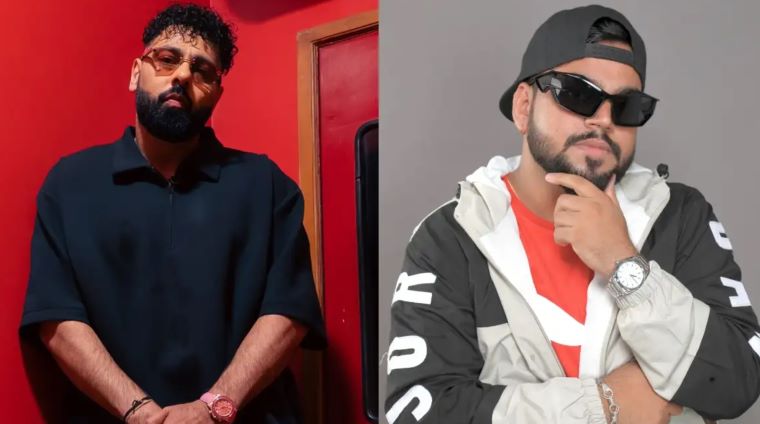
Badshah ‘Tateeree’ Controversy: Santy Sharma Comes Out in Support of Rapper
Indian rapper Badshah recently found himself at the center of controversy following the release of his Haryanvi track “Tateeree.” The song triggered widespread criticism online due to its allegedly objectionable lyrics and visuals. Amid the backlash, independent hip-hop artist Santy Sharma publicly supported the rapper, urging people not to judge him without understanding the context of rap culture.
Why the Song Sparked Controversy
The controversy began soon after “Tateeree” was released, with several viewers criticizing the track for its lyrics and visuals. Critics argued that the song contained inappropriate references and imagery that many found offensive. The backlash intensified on social media, and complaints were filed against the rapper.
Reports also suggested that the visuals of the song included scenes involving school-uniformed girls, which further angered viewers and social groups. The issue quickly escalated, prompting authorities to examine complaints and consider legal action.
Badshah’s Apology and Response
Following the criticism, Badshah released a public apology. He clarified that it was never his intention to disrespect women or children and acknowledged that the song may have hurt people’s sentiments. The rapper also removed the track from digital platforms to reduce the controversy.
His apology aimed to address public concerns and show responsibility for the misunderstanding caused by the song’s lyrics and visuals.
Santy Sharma Defends Badshah
During the ongoing debate, Santy Sharma came forward to defend Badshah. In a statement shared on social media, Sharma argued that rap music often uses metaphorical or competitive language and should not always be interpreted literally.
He explained that in the hip-hop industry, songs are often created by multiple teams, and the artist may not always control every element of the final video production. According to Sharma, the backlash partly reflects a lack of understanding of rap culture among some listeners.
Sharma suggested that if any lyric is found offensive, it should be corrected or changed, but judging an artist without understanding the full context may not be fair.
Debate Over Art, Responsibility, and Freedom of Expression
The controversy has sparked a wider discussion about artistic freedom and responsibility in music. While some critics believe the song crossed ethical boundaries, others argue that creative expression in hip-hop should be viewed within its cultural and artistic context.
As the debate continues, the situation highlights the growing sensitivity around content in the entertainment industry and the balance artists must maintain between creativity and social responsibility.
Conclusion
The “Tateeree” controversy surrounding Badshah demonstrates how quickly music content can spark debate in the digital age. While the rapper has apologized and removed the track, the incident has opened a broader conversation about cultural interpretation, artistic freedom, and the responsibilities of artists in today’s society. Meanwhile, Santy Sharma’s support has added another dimension to the discussion, emphasizing the need to understand the nuances of hip-hop culture before forming judgments.