
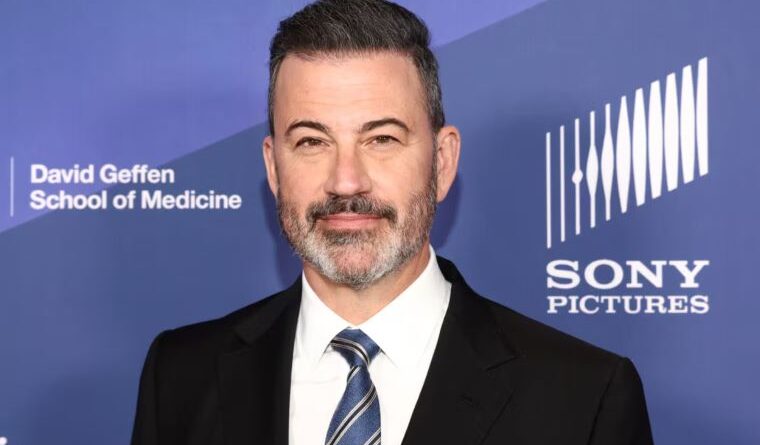
Jimmy Kimmel Live! Suspended Indefinitely Over Remarks on Charlie Kirk’s Death
In one of the most dramatic shifts in U.S. late-night television in recent years, ABC has suspended Jimmy Kimmel Live! indefinitely following controversial comments made by host Jimmy Kimmel on the assassination of conservative commentator Charlie Kirk. What began as a pointed monologue has escalated into a debate over free speech, regulatory power, and media independence.
Jimmy Kimmel Live: What Sparked the Suspension
On a broadcast earlier in mid-September 2025, Jimmy Kimmel used his opening monologue to accuse conservative figures of “politicizing” the death of Charlie Kirk. He claimed that many in the MAGA movement were trying to deflect from the facts and use Kirk’s killing to score political points—remarks that quickly drew ire from conservative media, government officials, and regulatory agencies.
Following that monologue, multiple ABC affiliate stations, most notably Nexstar Communications Group, announced they would no longer air Kimmel’s late-night show “for the foreseeable future,” stating his remarks were “offensive and insensitive.” These stations urged that broadcasters have an obligation to serve the public interest.
At nearly the same time, federal regulators stepped into the fray. The chair of the Federal Communications Commission, Brendan Carr, who was appointed by the Trump administration, warned that broadcasters airing content perceived as misleading or morally questionable could face serious consequences, including potential loss of license or fines. The pressure mounted quickly.
ABC’s Decision and What “Indefinite Suspension” Means
Under mounting external criticism, ABC announced that Jimmy Kimmel Live! would be pulled from its schedule “indefinitely.” The network did not immediately specify whether this is a temporary pause meant for cooling off or if it could lead to more permanent consequences.
“Pre-emption” in this context means that other programming will fill Kimmel’s usual time slot until further notice. For viewers, the show will simply no longer air—but there’s no publicly known timeline for when, or if, it will return. The network didn’t release detailed internal memos explaining its threshold for reinstatement, although it’s clear external pressures played a big role.
Political & Regulatory Pressure
A key piece of the picture is the role regulatory threats appear to have played. The FCC chair’s public statements were widely seen as setting the stage for shareholder pressure, affiliate pushback, and risk for ABC, which is owned by Disney. Nexstar, controlling dozens of ABC-affiliated stations, was one of the first to respond by removing the show from its broadcast slate, ostensibly to avoid regulatory risk.
The dynamic raised alarms from free speech advocates: critics argue that a regulatory environment that threatens licenses or fines if certain individuals say something controversial places too much power in the hands of government over editorial content.
Reactions Across the Spectrum
Responses have been sharply divided. Supporters of ABC’s decision—including many conservative media figures—believed Kimmel’s remarks crossed a line, arguing that defaming groups or making broad political accusations without incontrovertible evidence was irresponsible, especially at a time of national mourning. Some affiliated stations and media groups called Kimmel’s comments “offensive and insensitive.”
Opposing them are civil liberties advocates, media watchdogs, and many in the entertainment and journalism industries. They saw the suspension as a chilling move—an example of how political pressure can curtail a performer’s platform. Several high-profile commentators, comedians, and politicians spoke out in favor of protecting Kimmel’s right to speak freely, even (or especially) when statements are controversial.
Broader Implications for Media & Comedy
The suspension raises several serious issues for the U.S. media landscape:
- Free Speech & Regulatory Overreach: To what extent can or should a regulatory body penalize a network for the speech of its talent? If suspension or removal is driven by fears about regulatory enforcement, does that open the door for self-censorship?
- Role of Affiliates: Local stations have agency in choosing content. Their removal of Kimmel’s program across multiple markets shows how affiliates can act as gatekeepers when political or community sensitivities arise.
- Precedent for Other Hosts: Comedians and talk show hosts are often political; many wonder if similar remarks could lead to suspensions elsewhere. Some of the attention turned to whether this might impact other late-night figures.
- Trust, Viewership & Brand Risks: For networks, this kind of suspension can erode viewer trust or disrupt advertiser relationships. Audiences might perceive decisions like this as politically motivated rather than based purely on standard broadcast guidelines.
What’s Next
At the time of writing, several things remain uncertain:
- Whether ABC intends to reinstate Jimmy Kimmel Live! and under what conditions (e.g., apology, changes in content direction, assurances to affiliates/regulators).
- How much influence individual station owners or media conglomerates had in pushing the network’s decision.
- The legal and financial implications—whether some stakeholders will challenge the suspension or regulatory threats in court.
Jimmy Kimmel himself has not made a public, detailed statement confirming whether he regrets the language he used or intends to push back. His contract with ABC extends until May 2026, meaning there is still scope for negotiation behind the scenes.
Final Thoughts
The suspension of Jimmy Kimmel Live! is more than a headline about a show being taken off the air. It has become a flashpoint in debates over how political pressure, free expression, media regulation, and corporate risk intersect in modern America. Whether this will lead to lasting changes in how networks handle controversy—or whether this is a momentary contraction under pressure—remains to be seen. But for now, it marks a significant moment in the shifting power dynamics between talk show hosts, networks, regulators, and political actors.