
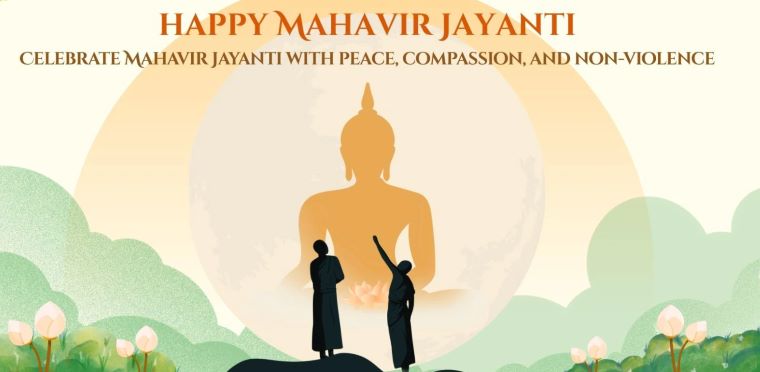
Mahavir Jayanti 2026: A Detailed Look at Date, Significance, Traditions, and Observance
Mahavir Jayanti 2026 will be celebrated on March 31, 2026 (Tuesday) across India and by Jain communities worldwide. This auspicious occasion marks the birth anniversary of Lord Mahavir, the last Tirthankara, who played a crucial role in shaping Jain philosophy and ethics.
Historical Background of Mahavir Jayanti
Lord Mahavir was born in 599 BCE in Kundagrama (present-day Bihar) into a royal family. His birth name was Vardhamana. Despite a life of comfort and privilege, he renounced worldly attachments at the age of 30 in search of spiritual truth.
After 12 years of deep meditation and austerity, he attained Kevala Jnana (omniscience) and dedicated the rest of his life to spreading the message of righteousness, self-discipline, and liberation from the cycle of birth and death.
His teachings laid the foundation of Jainism, one of the oldest religions in the world.
Spiritual Teachings and Philosophy
The essence of Mahavir’s teachings is deeply ethical and universal. He emphasized five core vows, known as Mahavratas:
- Ahimsa (Non-violence):
The most important principle—avoid harm to any living being, whether through thoughts, words, or actions. - Satya (Truth):
Always speak the truth and avoid deceit. - Asteya (Non-stealing):
Do not take anything that is not willingly given. - Brahmacharya (Celibacy):
Practice self-control and purity of mind and body. - Aparigraha (Non-possessiveness):
Detach from material possessions and desires.
These values are considered highly relevant even today, especially in promoting peaceful coexistence, environmental care, and ethical living.
Significance of Mahavir Jayanti
Mahavir Jayanti is not just a religious celebration but a reminder of timeless values:
- Promotes non-violence and compassion in society
- Encourages minimalism and sustainable living
- Inspires self-discipline and spiritual growth
- Strengthens community bonds through collective celebrations
In a modern world facing conflict and environmental challenges, Mahavir’s teachings offer practical guidance for a more harmonious life.
Rituals and Celebrations
The festival is celebrated with devotion and enthusiasm, especially in states like Gujarat, Rajasthan, Maharashtra, and parts of North India.
1. Temple Rituals
Devotees visit Jain temples early in the morning. Idols of Lord Mahavir are given a ceremonial bath (Abhishek) with water, milk, and fragrant substances.
2. Rath Yatra (Processions)
Colorful processions are carried out, where idols are placed on chariots and taken through streets. Devotional songs and chants fill the atmosphere.
3. Charity and Seva
Acts of kindness are central to the celebration:
- Feeding the poor
- Donating clothes and essentials
- Supporting animal welfare initiatives
4. Spiritual Discourses
Monks and scholars deliver sermons on Jain philosophy, guiding people toward moral living.
5. Fasting and Meditation
Many devotees observe fasts and engage in meditation to purify the mind and soul.
Will Schools and Offices Remain Closed?
Mahavir Jayanti is recognized as a gazetted public holiday in India. This means:
- Government schools and offices remain closed
- Most private schools also declare a holiday
- Banks and stock markets are generally closed (with limited exceptions)
However, since March 31 is also the financial year-end, some banks may remain open for closing procedures. School holidays may vary slightly depending on institutional policies, so checking with local authorities is advisable.
Relevance in Today’s World
The teachings of Lord Mahavir are increasingly important in modern society:
- Ahimsa aligns with global movements for peace and animal rights
- Aparigraha encourages sustainable consumption and reduces environmental impact
- Truth and ethics are essential in professional and personal life
His philosophy promotes a lifestyle that is both spiritually fulfilling and socially responsible.
Conclusion
Mahavir Jayanti 2026 is more than a festival—it is a celebration of values that transcend time. Observed on March 31, it brings people together to honor the life and teachings of Lord Mahavir.
As individuals reflect on his principles of non-violence, truth, and simplicity, the festival serves as a powerful reminder that inner peace and ethical living are the keys to a better world.