
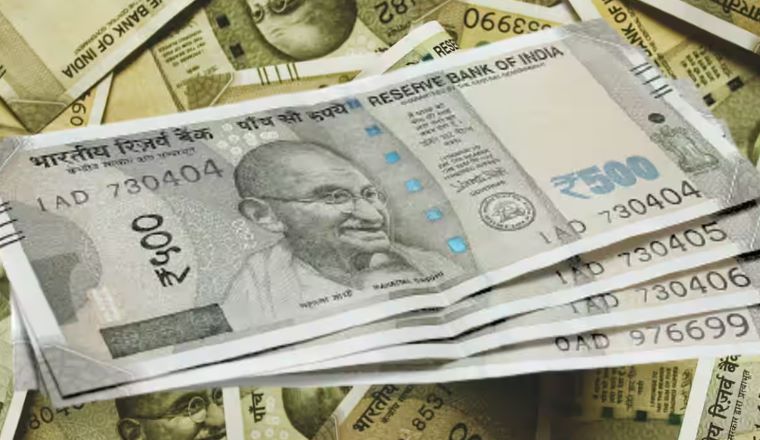
Supreme Court DA Verdict 2026: Big Relief for Pensioners, No Discrimination Allowed
In a landmark judgment that could benefit millions of retirees across India, the Supreme Court has ruled that pensioners cannot be given lower Dearness Relief (DR) compared to Dearness Allowance (DA) provided to serving employees. This historic decision reinforces the principle of equality and ensures fair financial treatment for pensioners in the face of rising inflation.
What Is the Supreme Court’s DA Verdict?
The Supreme Court, in its April 2026 ruling, clearly stated that granting different rates of DA and DR is arbitrary and unconstitutional. The court emphasized that both DA (for employees) and DR (for pensioners) are meant to offset the impact of inflation, and therefore must be treated equally.
The judgment came while dismissing appeals filed by the State of Kerala and the Kerala State Road Transport Corporation (KSRTC), which had earlier implemented unequal hikes—14% for employees and 11% for pensioners.
Why the Court Declared DA-DR Discrimination Invalid
The bench observed that inflation affects both serving employees and retired pensioners equally. Therefore, any discrimination in providing financial relief lacks a logical basis and violates Article 14 of the Indian Constitution, which guarantees equality before the law.
The court further clarified:
- DA and DR serve the same purpose—to neutralize inflation.
- Pensioners cannot be treated as a separate class when the objective is identical.
- Financial constraints cannot justify unequal treatment once benefits are granted.
This means governments cannot legally justify lower benefits for pensioners if they are increasing DA for current employees.
Key Highlights of the Judgment
- No difference allowed between DA and DR rates
- Equality under Article 14 reaffirmed
- Inflation impacts both groups equally
- Financial burden is not a valid excuse for discrimination
- Kerala High Court decision upheld
According to reports, the court noted that “inflation hits both categories with equal force,” making differential treatment unjustified.
Impact on Pensioners Across India
This verdict is expected to bring major financial relief to millions of pensioners, especially retired government employees. Many states and organizations previously maintained separate rates for DA and DR, often giving pensioners lower benefits.
Now, with the Supreme Court’s clear stance:
- Pensioners may receive higher arrears and revised benefits
- States may need to revise existing policies
- Future DA hikes will likely apply equally to pensioners
The decision could also trigger fresh claims or reviews in states where disparities still exist.
What This Means for Government Policy
The ruling sends a strong message to both central and state governments that welfare policies must align with constitutional equality. Governments will now need to ensure:
- Uniform implementation of inflation-linked benefits
- Transparent and non-discriminatory financial policies
- Compliance with judicial standards on employee welfare
This judgment strengthens the idea of India as a welfare state where economic justice is a priority.
Conclusion
The Supreme Court’s 2026 DA ruling marks a turning point in pension policy in India. By eliminating discrimination between serving employees and pensioners, the court has upheld the core constitutional value of equality.
For pensioners, this is not just a legal victory—it is a step toward financial dignity and security in times of rising living costs. As governments begin to implement this ruling, millions of retirees can expect fairer treatment and improved economic support.