
Ursid Meteor Shower 2025: Peak Dates, Best Times and How to Watch
Stargazers around the world are preparing for one of the final celestial displays of 2025 — the Ursid meteor shower. Although not as prolific as its better-known counterparts like the Perseids or Geminids, the Ursids still offer a rewarding and memorable skywatching experience for those under dark, clear skies.
What Is the Ursid Meteor Shower?
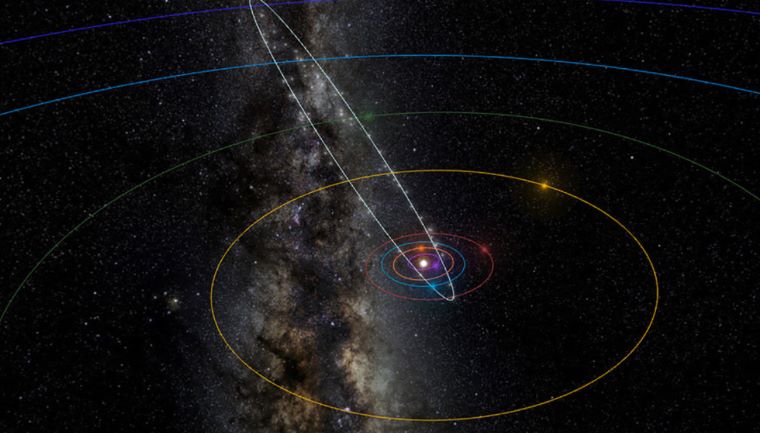
The Ursid meteor shower is named after the constellation Ursa Minor, near which the meteors appear to radiate. It occurs every year in late December as Earth passes through debris left behind by Comet 8P/Tuttle. Particles from the comet enter the atmosphere at high speed and burn up, creating bright streaks of light across the night sky.
Peak Dates and Times for Ursid Meteor Shower 2025
For 2025, the Ursid meteor shower is expected to be most active on the night of December 22 into the early morning hours of December 23. This is the period when Earth crosses the densest part of the meteoroid stream, increasing the likelihood of seeing meteors.
The best viewing window typically runs from about midnight to just before dawn, when the radiant point — near Ursa Minor — is highest in the sky. At these times, the shower can produce a modest number of meteors per hour, often around 5 to 10 under ideal conditions, with occasional faster and brighter streaks.
Where and How to Watch
Ideal Conditions
To enjoy the Ursid meteor shower:
- Find a dark location away from city lights
- Allow your eyes at least 20–30 minutes to adjust to the dark
- Look toward the northern sky, though meteors can appear anywhere
- Expect short, crisp streaks rather than long trails
Because the Ursids are not as active as other showers, you may see fewer meteors, but the ones that do appear are often bright and can be rewarding to watch.
Best Regions for Viewing
The Ursid meteor shower can be seen from both Northern and Southern Hemispheres, though it is typically more prominent in the Northern Hemisphere due to the position of the radiant near the North Star. In countries across North America, Europe, Asia, and parts of Northern Africa, early morning viewers should have good chances if skies are clear.
Observers in the Middle East and parts of Africa and Asia also have opportunities to view the shower before dawn, depending on local weather.
Moon and Weather Impact
This year’s moon phase during the Ursid peak is an important factor. A bright moon can drown out fainter meteors, reducing visibility. Conversely, a darker moon — or an early-setting one — will improve chances of seeing even subtle meteors.
Local weather conditions play an equally critical role. Clear, cloudless skies are essential for a good viewing experience, and light pollution from cities will limit visibility.
What to Expect from the Ursids
The Ursid meteor shower is known for:
- Moderate intensity compared with larger showers
- Bright meteors that stand out even with moderate moonlight
- Short duration peaks, meaning intense watching during the early hours is key
- Occasional surprises, including slightly higher rates in some years
Because the Ursids occur deep into December, they are often the last notable meteor shower of the calendar year, offering skywatchers one final celestial event before the year ends.
Tips for Skywatching Success
- Dress warmly; late December nights can be chilly, even in normally mild regions.
- Bring a reclining chair or blanket for comfortable viewing.
- Give your eyes time to adapt to darkness.
- Avoid looking at phone screens or bright lights once outside; they reduce night vision.
- Be patient — meteor watching is a waiting game.
Why the Ursids Are Special
While not the most dramatic meteor shower, the Ursids are cherished by astronomy enthusiasts for several reasons:
- They occur at a peaceful time of year when the nights are long.
- Bright meteors often stand out despite lower hourly counts.
- The shower’s position near the North Star offers a unique viewing geometry.
- It provides a satisfying capstone to the year’s celestial events.
Conclusion
The Ursid meteor shower of 2025 offers a charming and accessible skywatching experience — especially for those willing to step outdoors in the early morning hours of December 23. While its meteor count may be modest, the Ursids compensate with bright, crisp streaks that reward patient observers.
Whether you’re a casual viewer or a seasoned astronomy enthusiast, the Ursids provide one last opportunity this year to witness Earth’s ongoing dance through our solar system’s cosmic debris. Clear skies, cozy gear, and a bit of patience may reveal nature’s final show of the year.