
US Strikes Reported in Venezuela After Explosions in Caracas; Tensions Rise and Oil Markets React
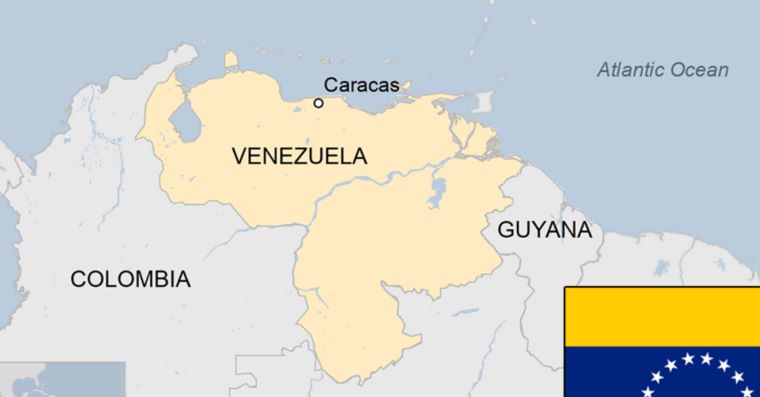
Fires and explosions in Caracas, Venezuela on January 3, 2026, have triggered alarm both inside the country and internationally, as reports emerged of US military strikes in Venezuelan territory. The situation is rapidly evolving, with governments, analysts and markets closely watching developments amid already elevated geopolitical tensions.
Explosions in Caracas and Immediate Aftermath
On the evening of January 3, sudden explosions and fires broke out near key locations in Caracas, the capital of Venezuela, drawing widespread attention and concern. Local authorities confirmed that multiple blasts were heard and seen in various parts of the city, prompting emergency responses and street closures in affected neighbourhoods.
Initial official statements described the events as violent explosions, but details regarding the causes remained limited during the initial hours. Venezuelan state media and government spokespeople accused external forces of aggression and condemned what they characterised as an attack on national sovereignty.
Reports of US Military Strikes
Shortly after the explosions, several international news organisations and defence analysts reported that United States military forces had conducted precision strikes within Venezuelan territory. US officials characterised the actions as targeted operations against what they described as security threats emanating from Venezuelan soil.
While the full extent and objectives of the strikes were not immediately disclosed, the US government indicated that the operations were limited in scope and intended to neutralise specific hostile capabilities, not to initiate full-scale conflict. The Pentagon noted that the action was focused, surgical and aimed at undermining assets or groups that may have posed security concerns to US interests or regional stability.
Venezuelan Government Response
The Venezuelan government immediately condemned the reported strikes, accusing the United States of violating its sovereignty and international law. President Nicolás Maduro and senior officials demanded assurances that there would be no further escalation, while asserting Venezuela’s right to defend its territory.
Officials in Caracas called for emergency meetings of regional blocs and pushed for diplomatic pressure to counter what they called “unjustified aggression.” Public statements stressed that Venezuelan air defences and security units would be engaged if necessary.
Regional and Global Diplomatic Reactions
Several Latin American governments expressed deep concern over the unfolding events, urging restraint and calling for dialogue to avoid escalation. Regional organisations and blocs convened emergency sessions to assess the situation and prevent a broader crisis.
Some countries called for immediate de-escalation and urged the United States and Venezuela to engage through diplomatic channels. Others emphasised the need for respect for national sovereignty and adherence to international norms.
Meanwhile, United Nations officials indicated that they were closely monitoring the situation and encouraged both sides to seek peaceful solutions.
Impact on Oil Markets and Economic Fallout
The instability in Venezuela, a significant oil-producing nation, sent immediate ripples through global oil markets. Venezuela sits atop one of the largest proven oil reserves in the world, and any disruption to its output — or the perception of prolonged conflict — can influence crude prices internationally.
By early trading following the reports, global benchmark crude prices had risen modestly, reflecting heightened risk premium due to the uncertainty surrounding production continuity and potential supply disruptions. Analysts noted that while Venezuela’s current production levels have not reached historic highs due to ongoing infrastructure and economic challenges, the geopolitical implications still weigh on broader energy markets.
For India, which imports crude from a diversified set of suppliers, increased oil prices can translate to higher input costs for transportation and industrial sectors. Any sustained uptick in global oil prices may feed into domestic fuel pricing and inflationary pressures. Energy economists highlighted that India’s strategic petroleum reserves and long-term contracts may provide some cushion, but sustained price pressure could nonetheless impact consumer costs.
Assessing the Strategic Implications
Experts in international relations observed that the strikes and Venezuela’s response underscore broader tensions in the Western Hemisphere. The United States has repeatedly voiced concerns over security threats, transnational militancy, and narcotics trafficking linked to certain Venezuelan factions. Caracas, in turn, has accused the US of interference and leveraging sanctions and military pressure to achieve political ends.
The current events mark one of the most serious direct military actions involving the United States and Venezuela in recent years, raising questions about future engagement, regional stability, and the potential for unintentional escalation.
What Comes Next
In the immediate term, the international community expects:
- Diplomatic communications: Private and public diplomatic exchanges to prevent further escalation and clarify intentions.
- Monitoring of military activity: Close tracking of movements by US and Venezuelan military assets to gauge responses.
- Oil market sensitivity: Continued watch on energy markets as geopolitical risk factors influence crude pricing.
- Public reassurance efforts: Venezuelan authorities likely to engage in information campaigns to calm domestic audiences and assert control.
Both governments have signalled that they do not desire a full-scale war, but the conditions on the ground remain fragile.
Conclusion
The reported US strikes in Venezuela following explosions in Caracas represent a serious and rapidly unfolding geopolitical development with implications for regional security, international diplomacy and global energy markets. While the full motives and long-term consequences are still emerging, the situation underscores the complex relationship between the two nations and the broader challenges of maintaining stability in a tightly interconnected global landscape.
As more details become available, analysts and policymakers alike are urging restraint, open channels of communication, and efforts to prevent further escalation that could have far-reaching economic and humanitarian impacts.