
What Happened: Trump, Pearl Harbor Remark & Japan Reaction
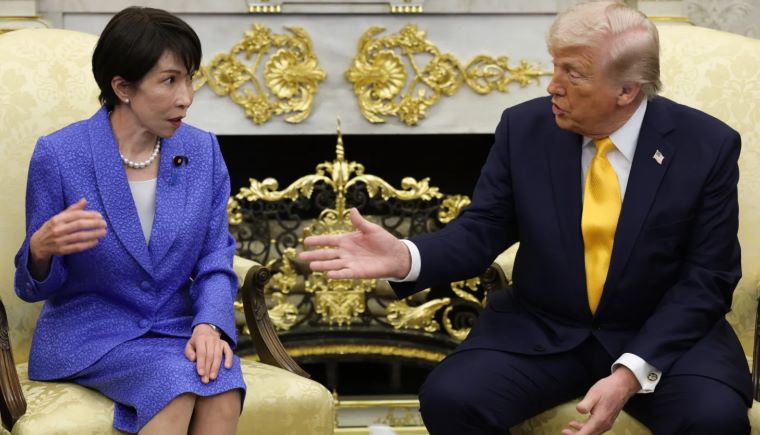
During a high-level meeting at the White House, Donald Trump sparked controversy after referencing the Pearl Harbor attack while speaking with Japan’s Prime Minister Sanae Takaichi.
The comment came when a journalist asked why the United States did not inform allies before launching military strikes in the ongoing Iran war.
In response, Trump said:
- The U.S. wanted “surprise” in its military actions
- Then added: “Who knows better about surprise than Japan? Why didn’t you tell me about Pearl Harbor?”
Why This Is Controversial
The remark referred to the 1941 Pearl Harbor attack, when Japan launched a surprise strike on the United States during World War II.
- The reference is considered historically sensitive and painful for the U.S.
- Bringing it up in a diplomatic meeting was seen as awkward and inappropriate
- Critics said it could strain U.S.–Japan relations
Reports say the comment initially drew some laughter but quickly created an uncomfortable atmosphere.
Japan’s Reaction
Prime Minister Sanae Takaichi appeared visibly uncomfortable but remained composed.
- She did not directly respond to the remark
- Reaffirmed Japan’s cooperation with the U.S.
- Highlighted Japan’s legal limits on military involvement abroad
Despite the awkward moment, both leaders continued discussions on security and cooperation.
Context: Ongoing Iran War
The incident is happening amid the escalating 2026 Iran conflict, where:
- The U.S. launched strikes on Iran without informing some allies
- Iran has retaliated with missile and drone attacks
- The Strait of Hormuz crisis has disrupted global oil supply and raised tensions
The U.S. has been urging allies, including Japan, to help secure key shipping routes.
Bigger Diplomatic Impact
The remark highlights a broader issue in global politics:
- Tensions between military strategy (secrecy/surprise) and ally coordination
- Sensitivity of historical events in diplomacy
- Increasing strain among allies during the Iran conflict
Some analysts say such comments can undermine trust, while others view them as part of Trump’s blunt communication style.
Conclusion
Donald Trump’s Pearl Harbor remark has become a major talking point globally, not just because of what was said, but because of when and where it was said—during a sensitive wartime discussion with a key ally.
The incident reflects the complexities of diplomacy during conflict, where history, politics, and communication all intersect.