
Yum! Brands Restructures Global Footprint; KFC India Operator Reports Quarterly Loss
Yum! Brands, the parent company of fast-food chains KFC, Pizza Hut and Taco Bell, has announced plans to shut around 250 Pizza Hut outlets worldwide as part of a broader strategy to strengthen profitability and focus on high-growth markets. The closures are expected over the coming quarters and are aimed at reallocating resources toward more profitable formats, modernised restaurants and digital sales channels.
The move comes amid intensifying competition in the global casual dining and quick service restaurant (QSR) segment, where changing consumer preferences and higher operating costs have made it harder for some traditional dine-in and hybrid Pizza Hut outlets to sustain margins. Yum! Brands has signalled that it will prioritise drive-thru, delivery-oriented and leaner store formats, especially in markets where Pizza Hut’s full-service model has struggled to compete.
Yum! Brands’ strategy reflects a broader shift in the fast-food industry toward convenience, efficiency and digital ordering, with many chains accelerating investments in technology, app-based loyalty programmes and delivery partnerships to capture evolving consumer demand.
KFC India Operator Sapphire Foods Posts Quarterly Loss
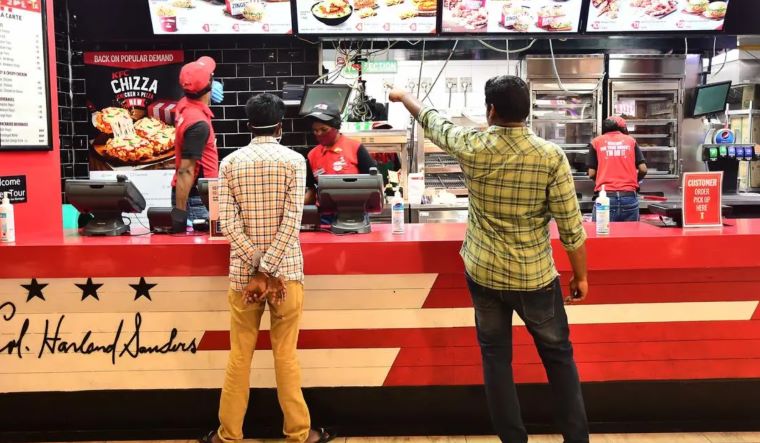
In quarterly financial results released for the third quarter, Sapphire Foods India — the largest franchisee operator of KFC in India and other markets — reported a net loss, marking a rare setback in an otherwise growth-oriented period for the QSR sector.
Sapphire Foods attributed part of the loss to a one-time labour cost charge, which weighed on profitability despite underlying revenue growth. The company noted that the labour expense was unusual in nature and not reflective of ongoing operating trends. This adjustment, along with investments in new stores and marketing initiatives, contributed to the quarterly slump.
Mixed Performance Across Markets
While overall profitability was pressured in the recent quarter, Sapphire Foods highlighted that performance at KFC restaurants remained resilient, particularly in certain international markets. In Sri Lanka, strong growth helped offset softness in other segments, bolstering the company’s confidence in its core fried-chicken business.
At the same time, Pizza Hut outlets under the Sapphire Foods portfolio faced operational challenges, including softer footfalls and competitive pressures, mirroring trends seen in other parts of the world where Pizza Hut’s traditional dine-in format has lost ground to delivery-first competitors.
The mixed results underscore the broader transformation underway in the fast-food sector, where brands that can adapt quickly to delivery-centric models and consumer preferences tend to outperform those still reliant on legacy formats.
Industry Context and Outlook
The fast-food landscape has shifted significantly in recent years:
- Higher labour and rental costs have squeezed margins.
- Digital ordering and delivery apps have reshaped how customers purchase meals.
- Younger consumers increasingly favour convenience and speed over traditional sit-down experiences.
Yum! Brands’ decision to close select Pizza Hut restaurants is part of a longer-term effort to optimise its global portfolio while accelerating growth in areas with strong unit economics. By trimming underperforming outlets and reinvesting in more profitable formats — such as delivery-oriented stores and technology-driven service channels — the company aims to sharpen competitiveness and shareholder returns.
For franchise operators like Sapphire Foods, the challenge remains balancing expansion with profitability, especially in diverse markets where customer preferences and cost structures vary widely.
Conclusion
Yum! Brands’ announcement of roughly 250 Pizza Hut closures reflects a strategic recalibration in a fast-food market increasingly dominated by delivery and convenience. Meanwhile, Sapphire Foods’ quarterly loss highlights the pressures franchise operators face amid rising costs and one-off expenses. Together, these developments illustrate how legacy QSR brands are navigating a period of transformation — with mixed results — as they adapt to changing consumer behaviour and cost dynamics in both India and global markets.