
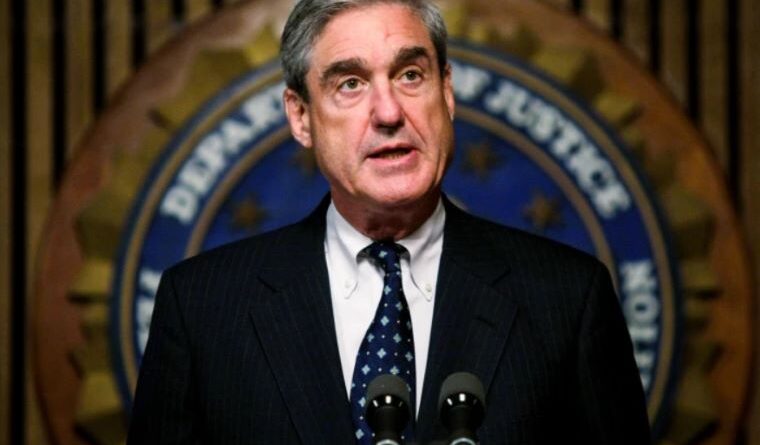
Trump’s Reaction to Robert Mueller’s Death Triggers Political Firestorm
The death of Robert Mueller at the age of 81 has not only marked the end of a significant chapter in American law enforcement but has also ignited a major political controversy following remarks made by Donald Trump.
What Happened
After news of Mueller’s death broke on March 20, 2026, Donald Trump publicly reacted on social media with a statement that quickly drew global attention. He expressed satisfaction over Mueller’s death, accusing him of harming innocent people during his tenure as Special Counsel.
The comment spread rapidly across media platforms and political circles, overshadowing initial tributes and shifting the focus toward the tone and implications of Trump’s response.
Why the Reaction Is So Controversial
The backlash stems from both what was said and who it was about.
Robert Mueller was widely regarded as a disciplined and non-partisan figure. His career included:
- Serving as FBI Director from 2001 to 2013
- Leading the bureau during the aftermath of the September 11 attacks
- Acting as Special Counsel in the investigation into Russian interference in the 2016 U.S. election
Even critics of his investigation acknowledged his reputation for professionalism and restraint. As a result, Trump’s reaction was seen by many as a break from long-standing norms of respect following a person’s death, especially for someone with a record of public service.
The Historical Context Behind Trump’s Remarks
The roots of this controversy go back to the Mueller investigation (2017–2019).
- Mueller was appointed to investigate alleged links between Trump’s 2016 campaign and Russia
- The investigation confirmed Russian interference but did not establish a criminal conspiracy involving Trump
- Trump consistently criticized Mueller, calling the probe a “witch hunt”
This prolonged political and personal conflict appears to have shaped Trump’s strong reaction years later.
Political and Public Backlash
The response to Trump’s comments was swift and widespread.
Leaders from across the political spectrum condemned the remarks, describing them as:
- “Insensitive”
- “Disrespectful”
- “Unbecoming of a national leader”
Political analysts noted that even in highly polarized environments, public figures traditionally maintain a level of decorum when reacting to someone’s death. Trump’s statement, therefore, stood out as unusually harsh.
On social media, the reaction was deeply divided. While critics strongly condemned the statement, some of Trump’s supporters defended his stance, citing long-standing grievances related to the investigation.
Tributes to Robert Mueller
Amid the controversy, many leaders and institutions focused on honoring Mueller’s legacy.
Robert Mueller was remembered as:
- A decorated Vietnam War veteran
- A steady leader during one of the most challenging periods in U.S. history
- A figure associated with institutional integrity and rule of law
Tributes emphasized his decades of service and his role in shaping modern federal law enforcement.
Broader Implications
This incident has sparked a wider discussion about the state of political discourse in the United States.
Key concerns include:
- The erosion of traditional norms of respect in public life
- Increasing personalization of political conflicts
- The role of social media in amplifying controversial statements
Experts suggest that such moments can deepen political divisions and shift attention away from substantive policy discussions.
Conclusion
The passing of Robert Mueller was expected to be a moment of reflection on his long career in public service. However, the reaction from Donald Trump transformed it into a broader debate about leadership, civility, and the tone of modern politics.
The episode highlights how, in today’s highly polarized environment, even moments of mourning can quickly become arenas for political conflict.