
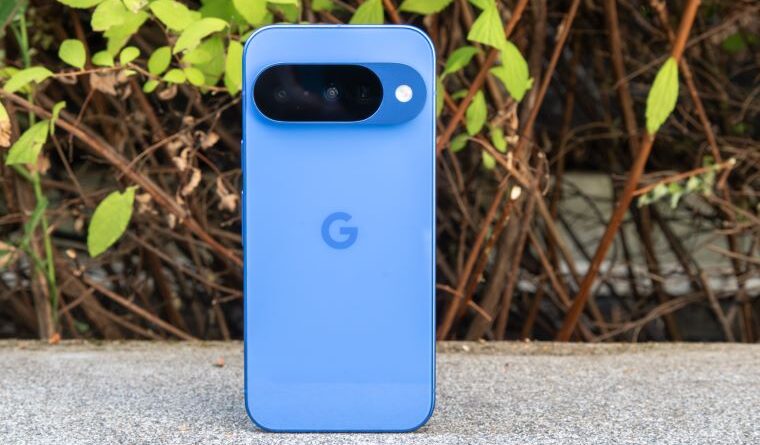
Google Pixel 10 Anti-Rollback Update: No More Downgrades & New Messaging Features Explained
Google is making major changes to its Pixel ecosystem in 2026, introducing a controversial anti-rollback update for the Pixel 10 series while also enhancing messaging features with more personalization. These updates reflect Google’s growing focus on security, user experience, and ecosystem control—but not without sparking debate among Android enthusiasts.
Pixel 10 Anti-Rollback Update: What It Means
A new report suggests that Google is preparing to implement stricter anti-rollback protection on the Pixel 10 lineup. This update could prevent users from downgrading their devices to older Android versions once they install the latest software.
The change revolves around Android’s anti-rollback (ARB) system, which links the device’s bootloader to a specific OS version. Once updated, users may no longer be able to revert to previous builds—even if the newer version has bugs or performance issues.
This move is expected to affect most Pixel 10 models, including the standard, Pro, and Fold variants, although the Pixel 10a may remain exempt.
Why Google Is Enforcing This Restriction
Google’s primary goal behind this update is security. Older Android versions may contain vulnerabilities that hackers can exploit. By preventing rollbacks, Google ensures users stay on safer, updated software.
However, this approach comes with trade-offs. Advanced users and developers often rely on downgrading to fix bugs, test apps, or customize their devices. Without rollback support, recovering from problematic updates could become more complicated, sometimes requiring manual sideloading of full OTA images.
Growing Concerns Among Users
The anti-rollback update has sparked concern within the Android community. Pixel devices have faced several software issues in recent months, including app crashes, connectivity problems, and display glitches.
In such cases, the ability to revert to a stable version has been a crucial workaround. Removing that option may leave users stuck with bugs until Google releases a fix.
Critics argue that this shift could make Android feel more restrictive—closer to closed ecosystems like iOS—potentially limiting the flexibility that has long defined Android devices.
Pixel Messaging Gets a Personal Touch
Alongside the security changes, Google is also improving user experience with updates to Pixel messaging features. According to reports, Pixel devices are getting custom greetings and personalized messaging options, allowing users to tailor how they communicate.
This update aims to make conversations more expressive and user-friendly, adding a layer of customization that aligns with Google’s push toward AI-driven and personalized experiences.
Such enhancements are part of a broader effort to make Pixel phones not just secure, but also more engaging and intuitive for everyday users.
A Shift in Google’s Android Strategy
The combination of stricter security controls and enhanced personalization highlights a shift in Google’s Android strategy. On one hand, the company is tightening control over software to improve safety and consistency. On the other, it is investing in features that enhance user interaction and creativity.
The Pixel 10 series, powered by the Tensor G5 chip and running Android 16, already represents Google’s most advanced smartphone lineup to date.
With these updates, Google appears to be moving toward a more controlled yet refined Android experience—balancing openness with reliability.
Final Thoughts
Google’s anti-rollback update for Pixel 10 is a double-edged sword. While it strengthens security and protects users from vulnerabilities, it also limits flexibility and control—two core aspects of Android’s appeal.
At the same time, new messaging features show Google’s commitment to improving user experience through personalization.
As these updates roll out, the key question remains: will users prioritize security over freedom, or will this shift push Android closer to a closed ecosystem?