
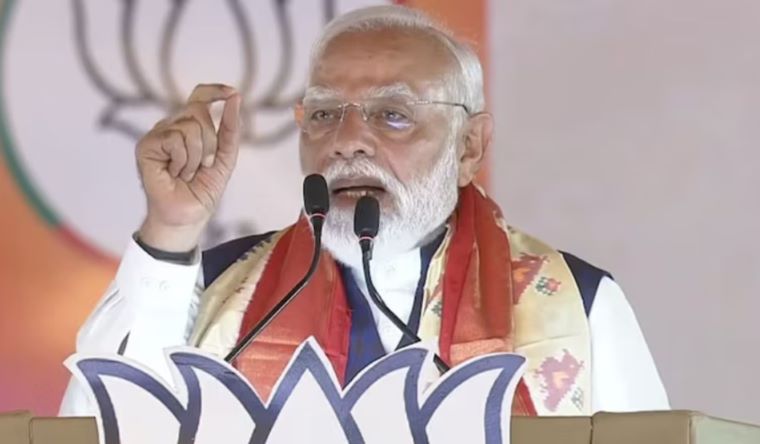
Why PM Modi Asked Indians To Work From Home Amid Gulf Crisis
PM Modi’s recent appeal urging companies and citizens to adopt work-from-home practices and reduce unnecessary travel has triggered a major political and economic debate across the country.
The advisory comes amid rising tensions in the Gulf region, concerns over global oil supply disruptions, and fears linked to the Strait of Hormuz — one of the world’s most critical oil transit routes.
What Did PM Modi Say?
According to reports, PM Modi appealed to:
- Corporate offices
- IT companies
- Government departments
- Citizens
to:
- Prefer work-from-home wherever possible
- Reduce non-essential travel
- Save fuel and energy
- Avoid panic buying
The government’s message is reportedly aimed at conserving fuel reserves during the ongoing geopolitical uncertainty in the Gulf region.
Why The Gulf Crisis Matters To India
India imports a large portion of its crude oil from Gulf countries.
The current tensions involving:
- Iran
- The United States
- Shipping activity around the Strait of Hormuz
have raised fears of:
- Oil supply disruptions
- Rising fuel prices
- Global economic instability
The Strait of Hormuz is considered one of the world’s most important energy routes because a major percentage of global oil shipments pass through it.
Why Work From Home Was Suggested
Experts believe the work-from-home appeal is aimed at:
- Reducing fuel consumption
- Lowering traffic congestion
- Conserving national energy resources
- Preparing for possible fuel price spikes
Remote work became widely accepted during the COVID-19 pandemic, and many companies already have hybrid systems in place.
The government reportedly sees temporary remote work as a practical step to reduce pressure on fuel demand.
Political Reactions Begin
The opposition quickly reacted to the Prime Minister’s statement.
Congress leader Rahul Gandhi criticized the appeal and described it as evidence of economic and policy failure.
Political debates soon erupted online, with supporters and critics offering different perspectives:
- Some praised the government for proactive planning
- Others questioned whether the situation was serious enough to require such public appeals
Concerns Over Fuel Prices
The Gulf conflict has already impacted global oil markets.
Analysts warn that if tensions escalate further:
- Petrol and diesel prices could rise
- Transportation costs may increase
- Inflation pressure could grow globally
India, as one of the world’s largest oil-importing nations, remains particularly sensitive to international crude price fluctuations.
Impact On Corporate India
Several companies are reportedly reviewing:
- Hybrid work policies
- Employee travel guidelines
- Fuel-saving initiatives
The IT sector, which already supports remote work infrastructure, may find it easier to adapt compared to industries requiring physical operations.
Experts say temporary remote work could help:
- Lower operational costs
- Reduce commuting expenses
- Ease pressure on urban transport systems
Public Reactions On Social Media
The announcement quickly became a trending topic online.
Some users supported the move, saying:
- Fuel conservation is important during global uncertainty
- Remote work improves productivity for many employees
Others questioned:
- Whether India is facing a serious fuel shortage
- The long-term practicality of large-scale work-from-home policies
The debate also revived discussions around:
- Work-life balance
- Urban traffic
- Rising fuel expenses
Could India Face Fuel Supply Issues?
So far, there is no official indication of a fuel shortage in India.
However, experts say governments often encourage precautionary conservation measures during periods of international instability to:
- Prevent panic
- Manage reserves efficiently
- Reduce economic pressure
India has strategic petroleum reserves, but prolonged global disruptions could still impact prices and supply chains.
Conclusion
PM Modi’s appeal for work-from-home and reduced travel reflects growing concerns over the global Gulf crisis and its possible impact on India’s fuel security and economy.
While the government describes the move as precautionary, the statement has already triggered nationwide political debate and public discussion about energy conservation, oil dependency, and the future of remote work in India.
As tensions continue in the Gulf region, fuel markets and government responses will remain closely watched in the coming weeks.