Ujjwala Yojana Big Update: Government Cuts Subsidized LPG Cylinders to 4 Per Year, What It Means for Crores of Beneficiaries
Government Announces Major Change in Ujjwala Yojana
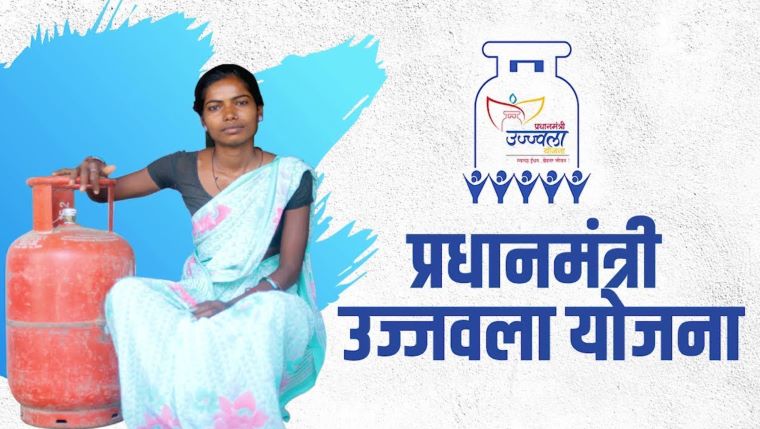
In a significant policy change, the Central Government has reduced the number of subsidized LPG cylinders available under the Pradhan Mantri Ujjwala Yojana (PMUY) from nine to four per year. While the subsidy amount of ₹300 per cylinder remains unchanged, beneficiaries will now receive this benefit only on the first four refills annually. The decision is expected to impact millions of households that rely on the scheme for affordable cooking fuel.
The move comes amid rising global LPG prices and increasing subsidy expenditure. Officials have stated that the revised limit has been aligned with the average annual consumption pattern of Ujjwala beneficiaries, which is estimated to be around four to five cylinders per household.
What Has Changed Under the New PMUY Rules?
Under the latest revision, eligible Ujjwala beneficiaries will continue to receive a Direct Benefit Transfer (DBT) subsidy of ₹300 for each refill. However, this subsidy will now be restricted to only four cylinders in a financial year. Earlier, the same subsidy was available for up to nine cylinders annually.
The Pradhan Mantri Ujjwala Yojana was launched in 2016 to provide clean cooking fuel to economically weaker households. Initially, beneficiaries were eligible for subsidies on up to 12 cylinders annually before the quota was gradually reduced to nine and now to four.
Why Did the Government Reduce the Subsidy Quota?
According to government officials, the primary reason behind the reduction is that most PMUY households consume fewer than five cylinders annually. The government believes that continuing subsidies beyond average consumption levels would place an unnecessary burden on public finances.
Another factor is the increase in international LPG prices. Officials have indicated that the actual cost of supplying a domestic LPG cylinder has risen substantially, while consumers continue to receive support through government subsidies and controlled retail pricing.
How Much Will Beneficiaries Save Now?
The subsidy amount remains ₹300 per cylinder. Since the benefit is now available for only four refills, the maximum annual subsidy support under the scheme will be ₹1,200 per household. Previously, beneficiaries could receive significantly higher annual support because the subsidy applied to a larger number of cylinders.
With the recent increase in LPG prices, a standard 14.2-kg domestic LPG cylinder in Delhi costs around ₹942. After accounting for the ₹300 subsidy, Ujjwala beneficiaries effectively pay about ₹642 per cylinder for the first four refills.
Advantages of the New Policy
1. Better Targeting of Subsidies
The government argues that the revised quota reflects actual consumption patterns and ensures that subsidy support reaches households that genuinely need it.
2. Reduced Fiscal Burden
By limiting subsidized refills, the government can reduce expenditure on LPG subsidies while continuing support for low-income families.
3. Continued DBT Benefit
Unlike a complete withdrawal of support, the government has retained the ₹300 subsidy, ensuring beneficiaries continue to receive financial assistance.
Disadvantages and Concerns
1. Higher Expenses for Large Families
Households that consume more than four cylinders annually will have to purchase additional refills at market rates, increasing their cooking fuel expenses.
2. Risk of Returning to Traditional Fuels
Experts and welfare advocates warn that higher refill costs could encourage some families to return to firewood, coal, or other traditional fuels, especially in rural areas.
3. Impact During Rising LPG Prices
The reduction comes at a time when LPG prices have increased in recent months, potentially putting additional pressure on household budgets.
What Beneficiaries Should Do
PMUY consumers should ensure that their bank account is linked with their LPG connection and that all KYC requirements are completed to receive DBT benefits without interruption. Consumers should also monitor refill usage carefully, as only the first four cylinders purchased during a financial year will be eligible for the subsidy.
Conclusion
The government’s decision to reduce subsidized LPG cylinders under the Ujjwala Yojana from nine to four marks one of the most significant changes to the scheme in recent years. While officials say the move is aimed at aligning subsidies with actual consumption and controlling expenditure, many beneficiaries may face higher fuel costs if their annual LPG usage exceeds the new limit. The ₹300 subsidy remains intact, but its availability is now more restricted, making efficient household fuel management increasingly important.
FAQs
Q1. How many subsidized LPG cylinders will Ujjwala beneficiaries get now?
Under the revised rules, PMUY beneficiaries will receive the ₹300 subsidy on only four LPG cylinders per financial year.
Q2. Has the ₹300 LPG subsidy been discontinued?
No. The subsidy amount remains ₹300 per cylinder, but it is now limited to the first four refills annually.
Q3. Why did the government reduce the quota from 9 to 4 cylinders?
The government says the change reflects the average LPG consumption of Ujjwala households and helps manage subsidy expenditure.
Q4. What happens after the fourth subsidized cylinder?
Any additional LPG cylinders purchased during the financial year will be available at the regular market price without the ₹300 subsidy benefit.