
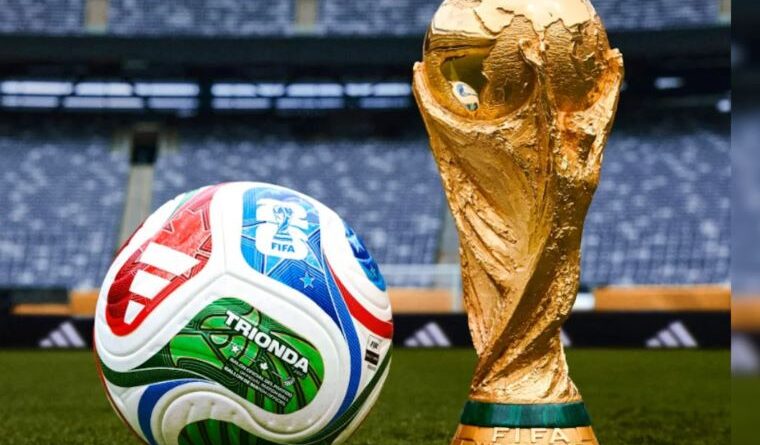
FIFA World Cup 2026 Faces Early Controversies as Visa Disputes and Political Tensions Overshadow Tournament Build-Up
FIFA World Cup 2026: Excitement Builds Amid Growing Challenges
The FIFA World Cup 2026 is set to be the largest edition of the tournament in football history, with the United States, Mexico, and Canada serving as co-hosts. While excitement continues to grow ahead of the opening matches, a series of political controversies, visa disputes, and security concerns have created unexpected headlines just days before kickoff. The latest developments highlight the challenges facing FIFA as it prepares to welcome millions of fans from around the world.
One of the most discussed incidents involves Somali referee Omar Artan, who was reportedly denied entry into the United States despite being selected to officiate during the tournament. The decision sparked criticism from football fans, human rights advocates, and international observers, who questioned how a major global sporting event could exclude an officially appointed match official.
Somali Referee Receives Hero’s Welcome
After being unable to enter the United States, Omar Artan returned to Somalia, where he received a hero’s welcome at Mogadishu Airport. Hundreds of supporters gathered to celebrate his return, waving Somali flags and expressing solidarity with the referee. During the reception, Artan reassured supporters that he remains committed to representing Somalia on the international stage and hopes to participate in future FIFA tournaments.
The incident quickly became a symbol of broader concerns regarding travel restrictions and immigration policies affecting international sporting events. Critics argue that global competitions should remain inclusive and free from political barriers that may prevent athletes, officials, or fans from participating.
Human Rights Concerns Emerge Ahead of the Tournament
The controversy surrounding Artan’s case has prompted reactions from international organizations and human rights advocates. Concerns have been raised about how immigration enforcement policies may impact participants and visitors attending the World Cup. According to reports, officials have called for a reassessment of procedures that could affect human dignity and equal access to international sporting events.
The debate has intensified as several reports suggest that visa-related complications have affected other individuals connected to the tournament. These developments have placed additional pressure on FIFA and host nations to ensure that all qualified participants can attend without unnecessary obstacles.
Political Protests in Mexico Add to Challenges
While visa disputes dominate headlines in the United States, Mexico is dealing with its own World Cup-related challenges. Large-scale demonstrations in Mexico City recently disrupted access routes leading to the iconic stadium that will host the tournament’s opening match. Protesters blocked major roads for several hours, highlighting ongoing domestic concerns unrelated to football but capable of affecting tournament operations.
Authorities responded by deploying security personnel and implementing traffic management measures around key venues. Despite the disruptions, officials have maintained that the opening match and tournament schedule remain unaffected.
These protests demonstrate the complex environment surrounding mega sporting events, where political, social, and economic issues often intersect with global entertainment.
FIFA’s Response Under Scrutiny
FIFA President Gianni Infantino has also come under scrutiny during the tournament build-up. Critics have questioned FIFA’s handling of the visa controversy and its response to growing concerns about participant access and inclusivity. Meanwhile, FIFA continues to emphasize the unifying power of football and its commitment to delivering a successful tournament across North America.
Supporters of the tournament argue that challenges are inevitable given the scale of the event. The 2026 World Cup will feature an expanded format with 48 teams, creating unprecedented logistical demands for organizers.
Football Remains the Main Attraction
Despite the controversies, football fans remain focused on the action on the pitch. Defending champions Argentina national football team continue preparations for the tournament, with captain Lionel Messi recently returning to action and scoring during a warm-up match. His comeback has generated excitement among supporters eager to see one of football’s greatest players compete on the world stage once again.
Other major contenders, including England national football team, France national football team, and Spain national football team, are finalizing preparations as anticipation grows worldwide.
Looking Ahead
As the FIFA World Cup 2026 approaches, organizers face the challenge of balancing security, immigration policies, logistics, and public expectations. The controversy surrounding Omar Artan’s denied entry, ongoing protests in Mexico, and concerns about participant access have highlighted the broader issues that can influence major international sporting events.
Nevertheless, football’s global appeal remains stronger than ever. With millions of fans expected to travel across North America and billions set to watch from around the world, the tournament has the potential to unite diverse cultures through a shared passion for the beautiful game.
Whether remembered for historic matches, emerging stars, or off-field controversies, FIFA World Cup 2026 is already shaping up to be one of the most talked-about tournaments in football history.
FAQs
1. Why was Somali referee Omar Artan denied entry to the United States?
Reports indicate that Omar Artan was prevented from entering the United States despite being selected for World Cup duties, sparking international criticism and debate about immigration policies.
2. How did Somalia react to Omar Artan’s return?
Artan received a hero’s welcome in Mogadishu, where supporters gathered at the airport to celebrate and show solidarity.
3. What protests occurred in Mexico before the World Cup?
Teachers and activists staged demonstrations in Mexico City, temporarily blocking roads leading to the stadium scheduled to host the tournament opener.
4. Will the protests affect World Cup matches?
Authorities have stated that tournament operations and the opening match schedule will proceed as planned.
5. What concerns have human rights groups raised?
Human rights advocates have expressed concerns that immigration enforcement measures could affect athletes, officials, and fans attending the tournament.
6. Is Lionel Messi expected to play in FIFA World Cup 2026?
Yes, Messi has returned to action during Argentina’s preparations and is expected to play a significant role for his national team.
7. How many teams will participate in FIFA World Cup 2026?
The tournament features an expanded format with 48 national teams, making it the largest FIFA World Cup ever.
8. Which countries are hosting FIFA World Cup 2026?
The tournament is being co-hosted by the United States, Mexico, and Canada.
9. Why is FIFA facing criticism before the tournament?
Criticism has focused on visa issues, participant access, political controversies, and concerns about how organizers are handling these challenges.
10. What makes FIFA World Cup 2026 historic?
It is the first World Cup hosted by three countries and the first to feature 48 participating teams.