
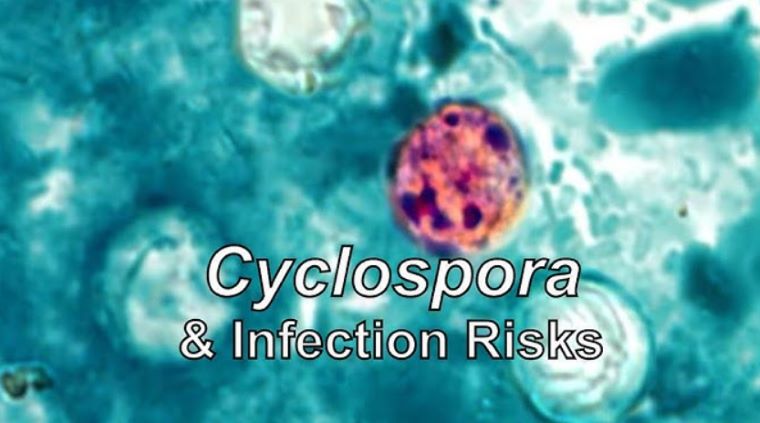
Cyclospora Outbreak Raises Health Concerns Across the US
Health authorities in the United States are investigating a large Cyclospora outbreak that has sickened thousands of people, particularly in Michigan, with cases also reported in dozens of other states. Investigators believe lettuce and salad greens may be the source of the outbreak, although no specific grower, supplier, or product has been officially identified.
The outbreak has renewed concerns about foodborne illnesses linked to fresh produce and prompted public health officials to issue food safety guidance while the investigation continues.
What Is Cyclospora?
Cyclospora is a microscopic parasite called Cyclospora cayetanensis that causes an intestinal infection known as cyclosporiasis.
People usually become infected after consuming food or water contaminated with the parasite. Unlike many bacteria, Cyclospora cannot spread directly from one person to another because the parasite requires time in the environment before becoming infectious.
Michigan Reports the Highest Number of Cases
Michigan has emerged as the center of the outbreak.
According to state health officials:
- More than 2,600 cases have been reported in Michigan.
- At least 44 people have been hospitalized.
- Cases have increased rapidly since June, far exceeding the state’s typical annual numbers.
Nationally, the CDC has confirmed 843 travel-unrelated cases across 31 states, though experts believe the true number is likely higher because many infections go undiagnosed.
Lettuce and Salad Greens Under Investigation
Investigators suspect that lettuce and leafy salad greens are a likely source of the outbreak.
However:
- No specific brand has been identified.
- No grower or supplier has been confirmed.
- No nationwide recall has been announced.
Officials continue tracing food sources while interviewing patients about what they ate before becoming ill.
Symptoms of Cyclospora Infection
Symptoms generally appear about one week after exposure, though they can take up to two weeks.
Common symptoms include:
- Watery diarrhea
- Severe or “explosive” diarrhea
- Stomach cramps
- Loss of appetite
- Nausea
- Fatigue
- Weight loss
- Low-grade fever
Without treatment, symptoms may last for several weeks or recur after temporarily improving.
How Is Cyclospora Treated?
Most healthy individuals recover, but persistent or severe infections often require medical treatment.
Doctors may recommend:
- Prescription antibiotics (commonly trimethoprim-sulfamethoxazole)
- Plenty of fluids to prevent dehydration
- Electrolyte replacement
- Rest
Older adults, young children, pregnant women, and people with weakened immune systems should seek medical care promptly if symptoms develop.
How to Reduce Your Risk
While investigators continue searching for the exact source, health officials recommend several precautions:
- Wash fruits and vegetables thoroughly before eating.
- Remove the outer leaves of whole lettuce heads.
- Cook leafy vegetables when appropriate, as heat can reduce the risk.
- Wash hands before handling food.
- Prevent cross-contamination in the kitchen by cleaning cutting boards, knives, and countertops.
Although washing produce is recommended, experts note that it may not completely remove Cyclospora because the parasite can adhere tightly to fresh produce.
Why This Outbreak Is Challenging to Investigate
Cyclospora outbreaks are particularly difficult to trace because:
- Symptoms often begin days to weeks after exposure.
- Patients may not remember exactly what they ate.
- Fresh produce is distributed widely across many retailers and restaurants.
- Multiple states may be affected simultaneously.
These factors can delay identifying the precise food source.
Should You Stop Eating Salad?
Health officials are not advising people to stop eating fresh produce.
Instead, they recommend following good food safety practices while the investigation continues. Since no specific product has been linked conclusively to the outbreak, consumers do not need to avoid all lettuce or salad greens but should remain alert for any future public health advisories or recalls.
Conclusion
The ongoing Cyclospora outbreak has become one of the largest recent foodborne illness investigations in the United States, with Michigan reporting the highest number of cases and lettuce or salad greens remaining the leading suspected source. Although investigators have not identified a specific product or supplier, consumers can reduce their risk by practicing safe food handling, washing produce carefully, and seeking medical attention if symptoms of cyclosporiasis develop.
As federal and state health agencies continue their investigation, updated guidance may be issued if a contaminated food source is confirmed.
Frequently Asked Questions (FAQs)
1. What is Cyclospora?
Cyclospora is a microscopic parasite that causes an intestinal illness called cyclosporiasis, usually spread through contaminated food or water.
2. Which foods are suspected in the current outbreak?
Health officials are investigating lettuce and leafy salad greens as possible sources, but no specific brand or supplier has been confirmed.
3. What are the symptoms of Cyclospora infection?
Common symptoms include watery diarrhea, stomach cramps, nausea, fatigue, appetite loss, weight loss, and sometimes fever.
4. Which state has reported the most cases?
Michigan has reported the largest number of cases, with more than 2,600 infections and dozens of hospitalizations.
5. Can washing lettuce remove Cyclospora?
Washing produce is recommended but may not completely eliminate the parasite, which can cling tightly to fresh vegetables.
6. Is there a recall on lettuce or salad products?
As of the latest updates, no nationwide recall has been issued, and investigators have not identified a specific grower, supplier, or product responsible for the outbreak.