
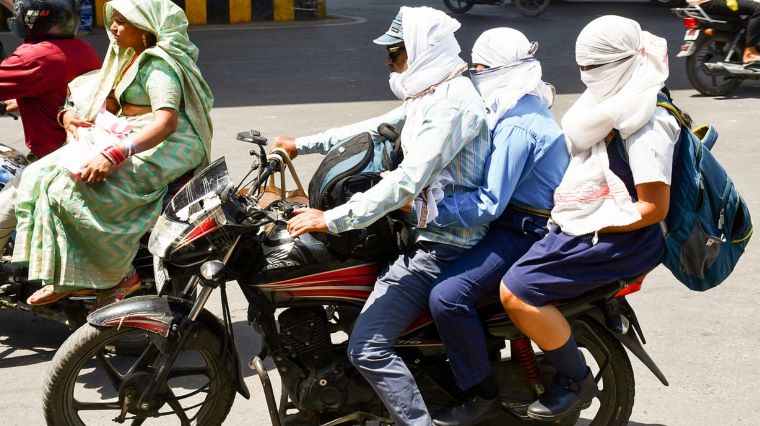
India’s Heatwave Crisis: Banda Hits 48°C as Severe Warnings Spread Across Uttar Pradesh
India is grappling with one of its harshest heatwaves in recent memory, with Banda district in Uttar Pradesh recording a scorching 48°C, forcing early closures and triggering severe heatwave alerts across multiple regions. As summer temperatures soar, the impact on daily life, health, travel, and infrastructure is becoming increasingly critical.
Banda: The Epicenter of Extreme Heat
Banda, traditionally known for its hot summers, has emerged as India’s “hottest district” this week. Reports indicate that government offices, schools, and public institutions had to shut down by 10 AM to protect citizens from the extreme conditions. The Indian Meteorological Department (IMD) confirmed the mercury spike, which surpasses typical seasonal highs, making Banda one of the most severely affected regions in the country.
Authorities have urged residents to stay indoors, stay hydrated, and avoid outdoor activities during peak afternoon hours. Public health officials have also highlighted the increased risk of heatstroke, dehydration, and heat-related illnesses, especially among the elderly, children, and outdoor workers.
Severe Heatwave Alerts Across Uttar Pradesh
The IMD has issued severe heatwave warnings for 11 districts in Uttar Pradesh, including Banda, Lucknow, Noida, and Ghaziabad. Temperatures across the state are consistently registering above 45°C, with intermittent humidity spikes worsening the perceived heat. These warnings are part of proactive measures to minimize health risks and prevent heat-related casualties.
Meteorologists note that this heatwave is unusually intense for this time of year, with early May experiencing temperatures that usually peak closer to late May or June. Experts attribute the extreme heat to a combination of climatic changes, delayed monsoon onset, and regional atmospheric conditions.
Impact on Daily Life and Travel
The extreme temperatures are affecting daily routines, transportation, and tourism. In Banda and surrounding areas, residents are adapting by modifying work schedules and limiting outdoor exposure. Schools and businesses are enforcing early closures, and public events are being postponed or rescheduled.
Travelers in Uttar Pradesh are also feeling the impact. Summer trips, pilgrimages, and sightseeing plans have been disrupted due to the extreme heat. Roads and railways are facing additional strain, as heatwaves can lead to rail track expansions, tarmac softening, and increased energy consumption from cooling systems. Tourism experts are advising travelers to plan activities in the early morning or late evening and ensure adequate hydration and sun protection.
Health Advisory and Safety Measures
Healthcare professionals emphasize the importance of preventive measures during heatwaves:
- Drink plenty of water, avoid alcohol and caffeinated beverages.
- Stay in shaded or air-conditioned areas whenever possible.
- Avoid strenuous outdoor work during peak heat hours (11 AM – 4 PM).
- Look out for symptoms of heat exhaustion, such as dizziness, rapid heartbeat, and excessive sweating.
- Elderly and vulnerable populations should be monitored closely.
The government has also deployed heat relief centers, particularly in high-risk districts, offering medical assistance, water, and cooling facilities to affected residents.
Climate Concerns and Broader Implications
India’s recurrent heatwaves highlight the growing impact of climate change, with extreme temperature events becoming more frequent and intense. Experts warn that if urgent measures are not taken, heatwaves could increasingly affect agriculture, energy supply, and urban life, stressing the importance of climate resilience planning.
Conclusion
With Banda setting alarming temperature records and severe heatwave alerts spreading across Uttar Pradesh, residents and travelers must prioritize safety and preparedness. The current heatwave is a stark reminder of the immediate effects of extreme weather and the need for collective action to safeguard health, infrastructure, and the environment.