
Massive Earthquakes Rock Philippines and Bhutan: Tsunami Alerts, Building Collapses, and Regional Impact
A series of powerful earthquakes have shaken parts of Asia, triggering tsunami warnings, damaging infrastructure, and causing widespread panic among residents. The most devastating event occurred in the Philippines, where a powerful earthquake measuring around 7.8 magnitude struck near the southern island of Mindanao, prompting emergency evacuations and tsunami alerts across the region. Meanwhile, a separate 5.8-magnitude earthquake hit Bhutan, with tremors being felt across several northeastern states of India.
Powerful Earthquake Strikes the Philippines
The Philippines experienced one of its strongest earthquakes in recent years when a magnitude 7.8 quake struck off the coast of Mindanao. According to initial reports, the epicenter was located offshore at a depth that generated concerns about potential tsunami activity. Authorities immediately issued tsunami warnings and urged residents in coastal areas to move to higher ground.
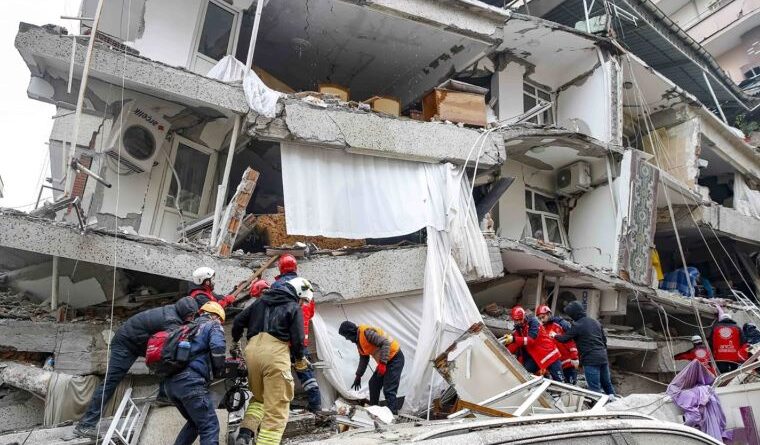
Videos and images circulating online showed buildings swaying violently, roads cracking, and frightened residents rushing into open spaces. Several structures, including educational institutions and commercial buildings, suffered significant damage. Reports also indicated that police stations and public facilities developed cracks due to the intense shaking.
Emergency response teams were quickly deployed to assess damage and assist affected communities. Rescue operations continued throughout the day as authorities searched for people trapped under debris and evaluated the structural safety of buildings.
Tsunami Warning Issued Across the Region
Following the earthquake, tsunami alerts were issued in parts of the Philippines and neighboring regions. Seismologists warned that powerful undersea earthquakes can generate dangerous waves capable of causing coastal flooding and destruction.
While some areas experienced elevated sea levels and minor tsunami activity, authorities later downgraded or lifted several warnings after monitoring systems indicated a reduced threat. However, residents were advised to remain cautious due to the possibility of strong aftershocks.
The tsunami alert highlighted the vulnerability of countries located along the Pacific Ring of Fire, a highly active seismic zone responsible for frequent earthquakes and volcanic eruptions. The Philippines lies directly within this region, making it one of the most earthquake-prone countries in the world.
Casualties and Infrastructure Damage
Authorities reported casualties and injuries as buildings collapsed and landslides occurred in affected areas. Several residential and commercial structures sustained extensive damage, while transportation and communication services were temporarily disrupted.
Reports from local officials indicated that hundreds of people were injured, and rescue teams continued to verify the full extent of the destruction. Airports, schools, and public offices in some regions suspended operations to ensure public safety and allow structural inspections.
Experts warn that aftershocks following major earthquakes can be almost as dangerous as the initial tremor, particularly when weakened buildings remain standing. Residents have been urged to avoid entering damaged structures until engineers complete safety assessments.
Bhutan Earthquake Sends Tremors Across Northeast India
In a separate seismic event, Bhutan was struck by a 5.8-magnitude earthquake. The tremor occurred late at night and was followed by several aftershocks. Residents across Bhutan felt strong shaking, while tremors were also reported in parts of Northeast India.
According to seismic monitoring agencies, the earthquake occurred at a depth of approximately 26 kilometers. Although there were no immediate reports of major damage or casualties, authorities continued monitoring the situation closely due to ongoing aftershock activity.
People in Assam, Arunachal Pradesh, Meghalaya, and neighboring regions reported feeling the tremors. Many residents briefly evacuated buildings as a precautionary measure. Emergency services remained on alert to respond to any reports of structural damage.
Why Asia Experiences Frequent Earthquakes
Asia is home to several major tectonic plate boundaries, making it one of the world’s most seismically active regions. The Philippines sits along the Pacific Ring of Fire, while Bhutan lies within the broader Himalayan seismic belt, where the Indian and Eurasian tectonic plates continue to collide.
This ongoing geological activity results in frequent earthquakes ranging from minor tremors to devastating seismic events capable of causing widespread destruction. Scientists continuously monitor these fault systems to improve early warning capabilities and disaster preparedness.
Importance of Earthquake Preparedness
The recent earthquakes serve as a reminder of the importance of disaster preparedness. Governments, communities, and individuals should maintain emergency plans, stock essential supplies, and understand evacuation procedures.
Experts recommend identifying safe areas within homes and workplaces, securing heavy furniture, and preparing emergency kits containing food, water, medications, flashlights, and communication devices. Quick action during an earthquake can significantly reduce injuries and save lives.
Conclusion
The powerful earthquakes in the Philippines and Bhutan underscore the continuing seismic risks faced by many Asian nations. While the Philippines dealt with a major earthquake that triggered tsunami warnings and caused extensive damage, Bhutan experienced a moderate but widely felt tremor that affected neighboring regions of India. Authorities remain vigilant as aftershocks continue and damage assessments proceed. These events highlight the critical need for preparedness, early warning systems, and resilient infrastructure in earthquake-prone regions.
FAQs
1. How strong was the earthquake in the Philippines?
The earthquake that struck near Mindanao measured approximately 7.8 magnitude and triggered tsunami warnings across parts of the region.
2. Was a tsunami generated after the Philippines earthquake?
Authorities issued tsunami alerts immediately after the earthquake. Some warnings were later lifted as the threat level decreased.
3. How much damage did the earthquake cause in the Philippines?
The earthquake caused building collapses, infrastructure damage, injuries, and disruptions to transportation and public services.
4. What was the magnitude of the Bhutan earthquake?
The Bhutan earthquake measured 5.8 magnitude and was followed by several aftershocks.
5. Were tremors felt in India?
Yes, tremors from the Bhutan earthquake were felt across several northeastern states of India, including Assam and neighboring regions.
6. Why are the Philippines and Bhutan prone to earthquakes?
Both countries are located in seismically active regions. The Philippines lies on the Pacific Ring of Fire, while Bhutan is part of the Himalayan seismic zone created by tectonic plate collisions.
7. What should people do during an earthquake?
People should drop, cover, and hold on, stay away from windows, avoid elevators, and move to open areas after the shaking stops if it is safe to do so.