
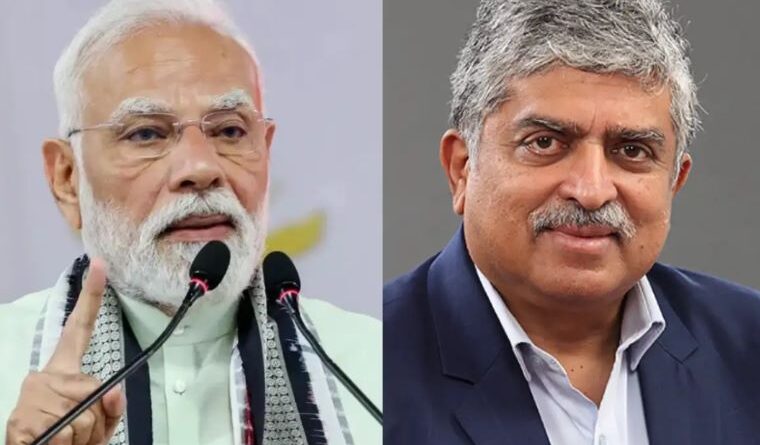
PM Modi Unveils Nandan Nilekani-Led Task Force to Reform India’s Examination System
In a major move aimed at strengthening the integrity and transparency of India’s examination system, Prime Minister Narendra Modi has announced the formation of a high-level task force on exam reforms, headed by Infosys co-founder Nandan Nilekani.
The announcement comes amid growing concerns over competitive examination irregularities and paper leak incidents across the country. The panel has been tasked with recommending comprehensive reforms to improve the functioning of the National Testing Agency (NTA) and other public examination systems. According to the Prime Minister, the objective is to restore public confidence and ensure fair opportunities for all aspirants.
Why Was the Task Force Formed?
The government constituted the panel following widespread concerns about:
- Examination paper leaks.
- Alleged irregularities in recruitment exams.
- Security challenges in conducting large-scale tests.
- Growing demand for greater transparency and accountability.
The task force will review the current examination framework and suggest measures to make the process more secure, efficient, and technology-driven.
Who Will Lead the Committee?
The committee will be chaired by Nandan Nilekani, the co-founder of Infosys and former Chairman of the Unique Identification Authority of India (UIDAI), where he played a key role in developing the Aadhaar digital identity system.
His experience in large-scale digital infrastructure and governance is expected to help the government design a more secure examination ecosystem using modern technology.
Who Are the Members of the Task Force?
According to official reports, the panel includes experts from education, science, technology, and public administration. Among the prominent members are:
- Nandan Nilekani – Chairperson and technology expert.
- Former ISRO Chairman S. Somanath – Space scientist and technology administrator.
- Prof. V. Ramgopal Rao – Former Director of IIT Delhi.
- Senior officials from the Ministry of Education.
- Experts in digital governance, cybersecurity, artificial intelligence, and examination administration.
The multidisciplinary composition is intended to ensure practical recommendations covering technology, policy, and academic governance.
Key Objectives of the Panel
The task force has been asked to recommend reforms in several critical areas, including:
1. Preventing Paper Leaks
The committee will suggest stronger security protocols to prevent question paper leaks and unauthorized access.
2. Technology Integration
It will examine how artificial intelligence, encryption, blockchain, and secure digital systems can strengthen examination processes.
3. Improving NTA Operations
The panel will review the functioning of the National Testing Agency and recommend administrative improvements.
4. Candidate-Centric Reforms
Recommendations will also focus on improving transparency, grievance redressal, communication, and fairness for students.
5. Strengthening Cybersecurity
Given the increasing use of online systems, the committee will propose measures to safeguard examination data against cyber threats.
Timeline for Recommendations
The government has asked the committee to submit its recommendations within a specified timeframe after consulting:
- Educational institutions.
- State governments.
- Examination authorities.
- Technology experts.
- Students and other stakeholders.
The report will form the basis for future reforms in India’s national examination system.
Why Nandan Nilekani?
Nandan Nilekani is widely regarded as one of India’s leading technology and digital governance experts.
His leadership in building Aadhaar demonstrated the ability to manage:
- Massive digital databases.
- Secure identity verification.
- Scalable public digital infrastructure.
- Technology-driven governance reforms.
The government believes similar expertise can help modernize India’s examination ecosystem.
Expected Impact on Students
If implemented, the proposed reforms could lead to:
- Greater examination security.
- Reduced chances of paper leaks.
- Faster grievance resolution.
- More transparent evaluation systems.
- Enhanced trust among students and parents.
- Improved digital infrastructure for national-level examinations.
The reforms are expected to benefit millions of candidates who appear for competitive examinations every year.
Government’s Vision
Announcing the initiative, Prime Minister Narendra Modi emphasized that examinations should reward merit and hard work while remaining free from malpractice.
The government reiterated its commitment to creating an examination system that is:
- Transparent.
- Fair.
- Secure.
- Technology-enabled.
- Student-focused.
Conclusion
The formation of the Nandan Nilekani-led Task Force on Exam Reforms marks a significant step toward overhauling India’s examination system. Bringing together experts from technology, education, and science, the committee aims to recommend practical solutions to address paper leaks, strengthen cybersecurity, and improve the functioning of examination agencies such as the NTA. As students across the country await meaningful reforms, the panel’s recommendations are expected to shape the future of competitive examinations in India.
Frequently Asked Questions (FAQs)
1. Why has the government formed the exam reforms task force?
The task force has been established to recommend reforms that improve transparency, security, and fairness in India’s examination system following concerns over paper leaks and exam irregularities.
2. Who is leading the committee?
The panel is headed by Infosys co-founder Nandan Nilekani, who is known for leading the Aadhaar digital identity project.
3. Which organization will the panel review?
The committee will examine the functioning of the National Testing Agency (NTA) and recommend improvements to the broader public examination system.
4. Who are the key members of the task force?
Besides Nandan Nilekani, the panel includes former ISRO Chairman S. Somanath, former IIT Delhi Director Prof. V. Ramgopal Rao, senior government officials, and experts in technology, cybersecurity, and education.
5. What reforms are expected?
The committee is expected to recommend stronger anti-paper leak mechanisms, enhanced cybersecurity, technology-based monitoring, better grievance redressal, and improvements in examination administration.
6. How will these reforms benefit students?
If implemented, the reforms could provide a more secure, transparent, and reliable examination process, reducing malpractice and increasing confidence among students and parents.