
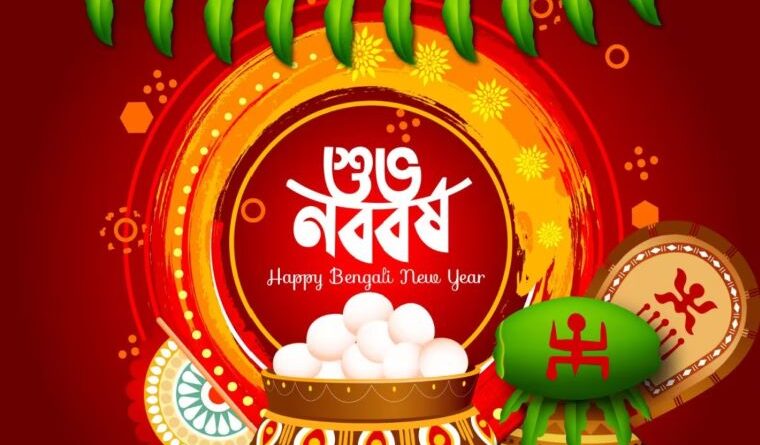
Pohela Boishakh 2026: Wishes, Traditions, Significance & How Bengalis Celebrate New Year
Pohela Boishakh 2026, also known as the Bengali New Year or Subho Noboborsho, is being celebrated with great enthusiasm across West Bengal, Tripura, Assam, and Bangladesh. This vibrant festival marks the first day of the Bengali calendar, symbolizing new beginnings, prosperity, and cultural pride.
In 2026, Pohela Boishakh falls on April 14–15, depending on regional calendars, and is celebrated with traditional rituals, food, music, and heartfelt greetings.
Significance of Pohela Boishakh
Pohela Boishakh is deeply rooted in agricultural traditions and seasonal cycles, marking the start of a new financial and harvest year.
Historically, the Bengali calendar was introduced during the Mughal era to align tax collection with the harvest season. Today, the festival is celebrated by people of all religions, making it a symbol of unity and cultural identity.
The day represents:
- Fresh beginnings
- Letting go of past debts and worries
- Welcoming prosperity and happiness
Traditional Celebrations & Rituals
1. Haal Khata – New Financial Beginning
One of the most important customs is Haal Khata, where shopkeepers close old accounts and open new ledgers. Customers are invited, sweets are distributed, and businesses start the year on a positive note.
2. Wearing Traditional Attire
People dress in red and white outfits, symbolizing purity and celebration. Women wear sarees with floral accessories, while men opt for kurtas.
3. Cultural Processions & Music
Grand processions like Mangal Shobhajatra and early morning cultural events are held with music, dance, and art. These celebrations highlight Bengali heritage and unity.
4. Visiting Family & Friends
Pohela Boishakh is a time for bonding. Families gather, exchange greetings, and enjoy festive meals together.
5. Cleaning Homes for New Beginnings
Many households clean and decorate their homes before the festival, symbolizing the removal of negativity and welcoming prosperity.
Festive Food: A Grand Bengali Feast
Food is the heart of Pohela Boishakh celebrations. Traditional dishes include:
- Shorshe Ilish (Hilsa fish in mustard sauce)
- Kosha Mangsho (spicy mutton curry)
- Luchi with Aloo dishes
- Mishti Doi and Sandesh
These dishes represent prosperity, joy, and cultural richness.
Popular Wishes & Greetings (Subho Noboborsho 2026)
Here are some trending wishes you can share:
- “Subho Noboborsho! May this new year bring happiness, health, and success.”
- “Wishing you a year filled with prosperity and new opportunities.”
- “May Pohela Boishakh fill your life with joy and positivity.”
- “Let’s welcome the new year with hope, love, and fresh beginnings.”
These greetings are widely shared on WhatsApp, Instagram, and social media to celebrate the occasion.
Modern Celebrations & Social Media Trends
In 2026, Pohela Boishakh is not just a traditional festival but also a digital celebration. People are sharing:
- Festive reels and outfit inspirations
- Bengali food vlogs
- Cultural performances
- WhatsApp status and Instagram captions
Cities like Mumbai, Delhi, and Pune are also witnessing vibrant Bengali community events with music, dance, and food festivals.
Conclusion
Pohela Boishakh 2026 is more than just a New Year celebration—it is a beautiful blend of culture, tradition, and togetherness. From wearing traditional attire to enjoying delicious food and sharing heartfelt wishes, the festival reflects the rich heritage of Bengal.
As people greet each other with “Subho Noboborsho”, the spirit of renewal, positivity, and unity continues to shine brightly across generations.