
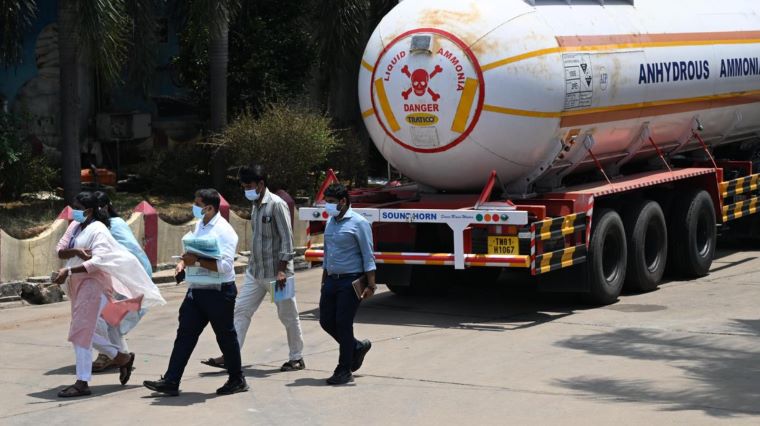
Tiruvallur Ammonia Gas Leak Tragedy: Death Toll Rises to 16, Raising Questions Over Industrial Safety and Migrant Worker Protection
Tiruvallur Ammonia Gas Leak: A Tragic Industrial Disaster
Tamil Nadu witnessed one of its deadliest industrial accidents in recent years when an ammonia gas leak at a seafood processing unit in Tiruvallur district claimed the lives of 16 workers. The incident, which occurred in June 2026, has sparked nationwide outrage over workplace safety standards, the treatment of migrant labourers, and regulatory oversight in hazardous industries.
Most of the victims were migrant workers from Odisha, many belonging to tribal communities. Several others remain hospitalized with severe respiratory complications, while authorities continue investigating the circumstances that led to the fatal leak.
What Happened?
The ammonia leak occurred during the night at a seafood processing and cold storage facility in Tiruvallur district near Chennai. Workers were reportedly resting in company-provided accommodation when toxic ammonia gas spread through the premises.
Survivors described waking up to an intense burning sensation in their eyes and throat, struggling to breathe, and attempting to escape the contaminated area in panic. Many workers collapsed before they could reach safety.
Emergency services rushed dozens of victims to nearby hospitals, where many required intensive medical treatment.
Death Toll Climbs to 16
Initially, authorities confirmed only a handful of fatalities. However, as critically injured workers succumbed to their injuries over the following days, the death toll steadily increased.
As of the latest official reports:
- 16 workers have died.
- More than two dozen workers continue to receive medical treatment.
- Several victims suffered severe lung damage due to ammonia inhalation.
- Most deceased workers were migrant labourers from Odisha.
The gradual rise in fatalities highlights the long-term effects of ammonia exposure, which can severely damage the respiratory system even after immediate treatment.
Investigation Reveals Serious Irregularities
Police investigations soon uncovered several disturbing findings beyond the gas leak itself.
Authorities arrested multiple individuals connected with the seafood processing company, including factory owners, management personnel, and a labour contractor.
Investigators are examining allegations involving:
- Recruitment of migrant workers through labour agents.
- Employment of underage workers using forged identity documents.
- Poor living conditions inside worker accommodations.
- Possible violations of industrial safety regulations.
- Failure to implement emergency evacuation procedures.
The labour contractor allegedly recruited workers from economically vulnerable tribal communities in Odisha and transported them to Tamil Nadu for employment.
Why Ammonia Is So Dangerous
Ammonia is widely used in industrial refrigeration systems, especially in seafood processing plants, cold storage facilities, and food manufacturing industries.
Although highly efficient as a refrigerant, ammonia becomes extremely dangerous when released into the atmosphere.
Exposure can cause:
- Severe breathing difficulty
- Burning eyes
- Skin irritation
- Lung damage
- Loss of consciousness
- Respiratory failure
- Death in high concentrations
Industrial facilities handling ammonia must maintain strict safety standards, including leak detection systems, ventilation, protective equipment, and emergency evacuation plans.
Questions Being Raised
The tragedy has reignited debate about industrial safety compliance across India.
Several important questions remain under investigation:
- Was the refrigeration system properly maintained?
- Were ammonia leak detection systems functioning?
- Did workers receive emergency safety training?
- Why were so many workers sleeping near hazardous industrial equipment?
- Were government inspections conducted regularly?
- Were migrant workers provided adequate protection?
Authorities have constituted inquiry committees to determine whether negligence contributed to the disaster.
Migrant Workers Once Again at the Centre
The Tiruvallur tragedy has also highlighted the vulnerability of India’s migrant workforce.
Many of the deceased reportedly came from remote tribal villages in Odisha in search of better employment opportunities. Labour rights groups argue that migrant workers frequently face unsafe working conditions, poor accommodation, limited awareness of workplace hazards, and inadequate legal protection.
The incident has prompted calls for stronger monitoring of labour contractors and stricter enforcement of occupational safety laws.
Government Response
Following the incident, Tamil Nadu authorities launched a high-level investigation and initiated criminal proceedings against those responsible.
Government officials also visited hospitals where injured workers were receiving treatment.
Compensation announcements have been made for affected families, while multiple departments continue examining possible violations under labour, environmental, and industrial safety laws.
Additionally, national agencies and human rights bodies have taken note of the tragedy, calling for accountability and systemic reforms to prevent similar disasters.
Lessons from the Tiruvallur Ammonia Leak
Industrial accidents involving hazardous chemicals are preventable when safety regulations are strictly followed.
Experts recommend:
- Regular inspection of refrigeration systems
- Installation of modern ammonia leak detectors
- Continuous monitoring of gas storage equipment
- Emergency evacuation drills
- Proper worker safety training
- Safe accommodation away from hazardous production areas
- Stronger enforcement of labour laws
The Tiruvallur incident serves as a reminder that industrial growth must never come at the cost of worker safety.
Conclusion
The Tiruvallur ammonia gas leak is one of the most tragic industrial disasters in Tamil Nadu in recent years. Beyond the rising death toll, the incident has exposed deeper concerns about workplace safety, migrant labour exploitation, and regulatory enforcement.
As investigations continue, the focus remains on delivering justice to the victims’ families while ensuring that industries handling hazardous chemicals adopt stricter safety practices. Preventing future tragedies will require stronger inspections, better worker protections, and accountability at every level of industrial management.
FAQs
1. What caused the Tiruvallur ammonia gas leak?
The exact cause remains under investigation. Authorities are examining whether equipment failure, inadequate maintenance, or negligence contributed to the ammonia leak.
2. How many people died in the Tiruvallur ammonia leak?
As of the latest reports, the death toll has risen to 16 workers, while several others remain hospitalized.
3. Why is ammonia dangerous?
Ammonia is a toxic gas that can severely affect the eyes, skin, and respiratory system. High concentrations can lead to lung damage, unconsciousness, and death.
4. Who were the victims?
Most victims were migrant workers from Odisha, including members of tribal communities employed at the seafood processing facility.
5. Were any arrests made?
Yes. Police have arrested factory owners, management personnel, and a labour contractor as part of the ongoing investigation.
6. What industries commonly use ammonia?
Ammonia is widely used in seafood processing plants, cold storage warehouses, food processing industries, fertilizer production, and industrial refrigeration systems.
7. What safety measures can prevent ammonia leaks?
Regular maintenance, gas leak detection systems, worker safety training, emergency evacuation plans, protective equipment, and strict regulatory compliance are essential to prevent such incidents.