
Venezuela Earthquake 2026: Powerful Twin Quakes Trigger Tsunami Alert, Cause Widespread Panic
Venezuela Earthquake Today: Strong Tremors Shake Caracas and Coastal Regions
A series of powerful earthquakes struck Venezuela on June 25, 2026, sending shockwaves across the South American nation and triggering tsunami alerts in parts of the Caribbean region. The strong tremors were felt in the capital city of Caracas, the coastal state of La Guaira, and several neighboring areas, causing panic among residents and prompting emergency response efforts.
According to preliminary reports from international seismic monitoring agencies, one of the strongest earthquakes measured around magnitude 7.0, making it one of the most significant seismic events to hit Venezuela in recent years. Authorities immediately began assessing damage to buildings, infrastructure, and transportation networks while monitoring the possibility of aftershocks.
Tsunami Alert Issued After Major Venezuela Earthquake
Following the powerful seismic activity, tsunami warnings and advisories were issued for parts of the Caribbean coastline. Emergency management agencies urged residents in vulnerable coastal areas to remain alert and follow evacuation instructions if necessary.
Experts noted that earthquakes of this magnitude occurring near coastal regions can potentially generate dangerous sea-level disturbances. However, authorities continued evaluating the actual tsunami threat as more geological data became available.
Several coastal communities temporarily suspended maritime activities, while local governments coordinated with disaster response agencies to ensure public safety.
Caracas Residents Rush Outdoors as Buildings Shake
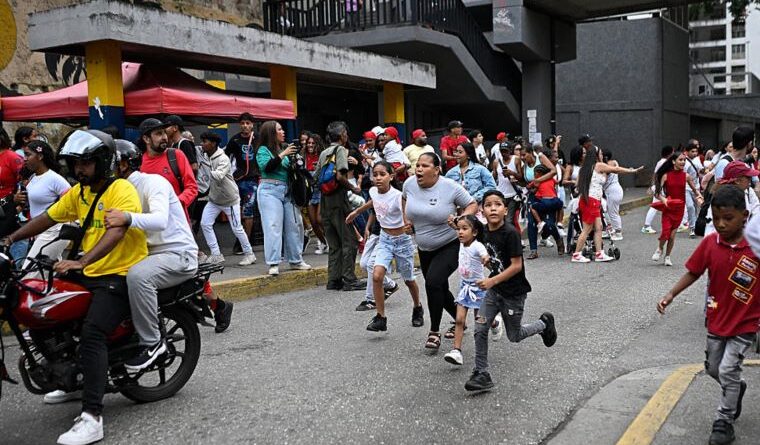
Witnesses in Caracas reported intense shaking that lasted several seconds. Office workers, residents, and shoppers rushed out of buildings as the earthquake struck. Videos shared on social media showed people gathering in open spaces while emergency sirens and alarms sounded in some districts.
Many residents described the tremors as among the strongest they had ever experienced. Tall buildings reportedly swayed noticeably, prompting precautionary evacuations across parts of the capital.
Public transportation services experienced temporary disruptions as authorities conducted safety inspections of bridges, roads, and metro infrastructure.
Damage Assessment Underway Across Venezuela
Emergency teams were deployed across affected regions to assess structural damage and assist residents. Initial reports indicated damage to some buildings, cracked walls, and localized infrastructure disruptions.
Authorities continued inspecting hospitals, schools, government offices, and residential complexes to determine whether any structures had suffered significant damage. Power outages were also reported in certain areas following the earthquakes.
Search and rescue teams remained on standby as officials worked to verify reports of collapsed structures and potential casualties.
Aftershocks Raise Concerns Among Residents
Seismologists warned that aftershocks could continue in the hours and days following the main earthquake. Aftershocks are common after major seismic events and can sometimes cause additional damage to already weakened structures.
Residents were advised to stay away from damaged buildings, keep emergency supplies accessible, and remain informed through official government channels.
Experts emphasized that while predicting earthquakes remains impossible, preparedness and rapid emergency response play critical roles in reducing risks during major natural disasters.
Venezuela’s Seismic Risk
Although Venezuela is not as frequently associated with major earthquakes as some other countries in the Pacific Ring of Fire, the nation remains vulnerable to seismic activity due to its location near active tectonic fault systems.
Historically, Venezuela has experienced several destructive earthquakes that have caused significant damage and loss of life. Geological experts continuously monitor seismic activity in the region to provide early warnings and improve disaster preparedness.
The June 2026 earthquake serves as a reminder of the importance of earthquake-resistant construction, public awareness, and emergency planning in vulnerable regions.
Government Response and Emergency Measures
Government officials activated emergency protocols immediately after the earthquakes. Disaster management agencies coordinated with local authorities, hospitals, police departments, and rescue teams to evaluate the situation and provide assistance where needed.
Authorities urged citizens to avoid spreading unverified information online and to rely on official updates regarding casualty figures, tsunami warnings, and emergency instructions.
As assessments continue, emergency responders remain focused on ensuring public safety and restoring normal operations across affected communities.
Conclusion
The powerful Venezuela earthquakes of June 25, 2026, have raised concerns across the country and the wider Caribbean region. While authorities continue evaluating damage, casualties, and tsunami risks, residents remain on high alert due to the possibility of aftershocks. Ongoing rescue and assessment efforts will provide a clearer picture of the full impact of this significant natural disaster in the coming hours and days.
FAQs
1. How strong was the Venezuela earthquake on June 25, 2026?
Preliminary reports indicated that one of the strongest earthquakes reached approximately magnitude 7.0.
2. Was a tsunami alert issued after the earthquake?
Yes, authorities issued tsunami warnings and advisories for certain coastal areas while assessing potential risks.
3. Which areas were most affected?
The tremors were strongly felt in Caracas, La Guaira, and several nearby regions.
4. Were there any casualties reported?
Officials were still assessing casualties and damage at the time of reporting, with emergency teams conducting inspections and rescue operations.
5. Are aftershocks expected?
Yes, seismologists have warned that aftershocks are likely following a major earthquake of this magnitude.
6. What should residents do after an earthquake?
Residents should stay away from damaged structures, follow official instructions, prepare emergency supplies, and remain alert for aftershocks.
7. Why is Venezuela vulnerable to earthquakes?
Venezuela lies near active tectonic fault systems, making it susceptible to seismic activity despite not experiencing major earthquakes as frequently as some neighboring regions.