
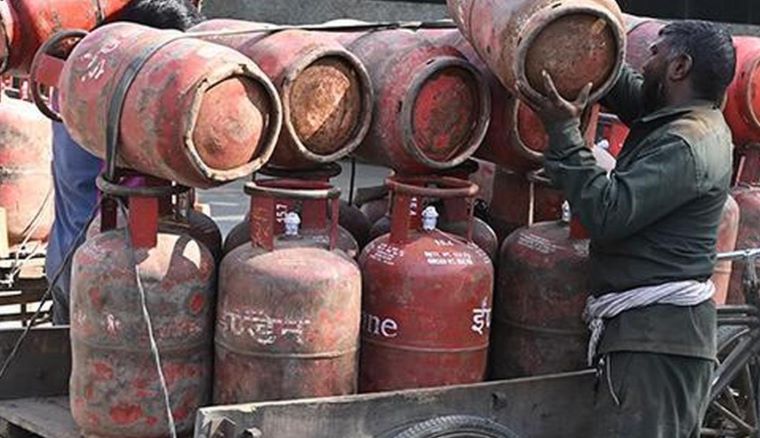
LPG Cylinder Booking Rules to Change from May 1, 2026: What Indane, BharatGas & HP Gas Users Must Know
India’s LPG consumers may soon experience significant changes in the way they book and receive cooking gas cylinders. With new rules expected to roll out from May 1, 2026, oil marketing companies like Indane, BharatGas, and HP Gas are moving toward a more transparent, digital, and secure system.
These updates come amid rising concerns about supply management, delivery verification, and misuse of subsidized LPG cylinders. Here’s a detailed look at what customers can expect and how these changes could impact daily life.
Key Changes in LPG Cylinder Booking Rules (2026)
1. Mandatory OTP-Based Delivery System
One of the biggest expected changes is the mandatory OTP (One-Time Password) verification system for LPG deliveries.
- Customers will receive an OTP on their registered mobile number when the cylinder is out for delivery.
- The delivery will only be completed after sharing the OTP with the delivery agent.
This move aims to eliminate fraud, prevent fake deliveries, and ensure cylinders reach the correct consumer. Reports suggest that OTP-based delivery has already reached around 94% adoption, indicating a strong push toward full implementation.
2. Possible Booking Gap Rules (25–45 Days)
Another major update being discussed is a mandatory gap between two bookings:
- Around 25 days in urban areas
- Up to 45 days in rural areas
This rule is designed to prevent panic booking and ensure fair distribution of LPG across households.
However, it’s important to note that authorities have clarified that no drastic new rule (like a strict 35-day rule for all users) has officially replaced the current system yet, and existing norms largely remain intact.
3. Increased Focus on Digital Booking
The LPG ecosystem is rapidly shifting toward digital-first services:
- Mobile apps (Indane, BharatGas, HP Gas)
- WhatsApp booking
- IVRS and missed call services
Online bookings already account for nearly 98% of total bookings, highlighting how digital adoption is transforming the sector.
4. Stronger KYC and Aadhaar Linking
To curb duplicate connections and ensure subsidy benefits reach the right users:
- Aadhaar linking and KYC compliance may become stricter
- Bank account linkage will remain mandatory for subsidy transfers
This aligns with the government’s Direct Benefit Transfer (DBT) system.
Why These Changes Are Being Introduced
India consumes massive amounts of LPG daily, and supply chain pressures—especially due to global geopolitical tensions—have made efficient distribution critical.
- India requires around 80,000 tonnes of LPG daily, while domestic production is significantly lower.
- The government is also trying to reduce black marketing and diversion of domestic cylinders to commercial use.
By tightening booking rules and improving delivery verification, authorities aim to create a more transparent and efficient system.
Ground Reality: Protests and Supply Issues
While policy changes are underway, some regions are already facing challenges. Reports from cities like Nagpur indicate customer protests over LPG shortages, especially during peak summer demand.
This highlights a key concern: even with better systems, supply consistency remains a major issue for many households.
LPG Prices and Consumer Impact
As of April 2026, LPG prices continue to fluctuate:
- Domestic cylinder prices in major cities are around ₹900–₹1000
- Prices have seen a gradual increase over the past year
These changes, combined with stricter booking rules, may require households to plan usage more carefully.
What Consumers Should Do Now
To avoid inconvenience after May 1, LPG users should:
- Ensure their mobile number is updated
- Complete KYC and Aadhaar linking
- Track their last delivery date before booking
- Switch to digital booking platforms for faster service
Conclusion
The upcoming LPG cylinder booking rule changes in May 2026 represent a major shift toward digitization, transparency, and efficiency in India’s cooking gas distribution system. While OTP-based delivery and booking intervals may initially feel restrictive, they are aimed at ensuring fair access and reducing misuse.
However, with ongoing supply challenges and rising prices, consumers must stay informed and adapt quickly to the evolving system.