
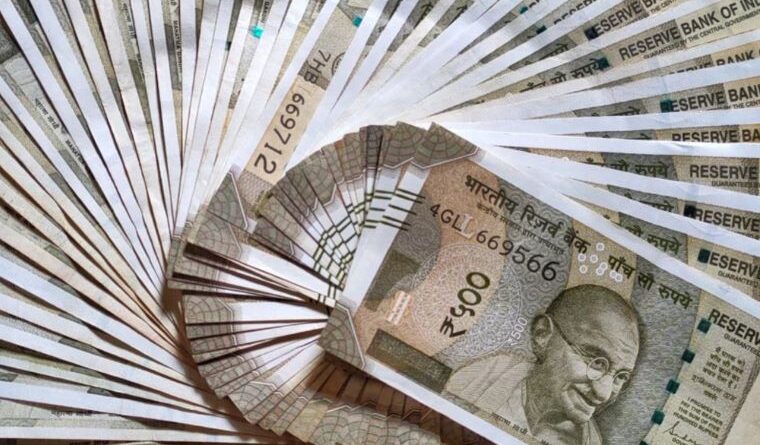
Indian Rupee Surges Against US Dollar: Why the Currency Is Recovering After Record Lows
The Indian rupee witnessed a sharp recovery against the US dollar after weeks of pressure caused by rising crude oil prices and global geopolitical tensions. The currency recently gained strongly, closing near the 94–95 per dollar range after previously touching record lows.
The sudden rebound has sparked discussions about whether the rupee is finally stabilizing or if volatility could continue in the coming months.
Why Did the Rupee Rise Suddenly?
The biggest reason behind the rupee’s recovery is the sharp decline in crude oil prices.
India imports a large portion of its oil requirements, so when oil prices rise:
- India spends more dollars on imports
- Demand for the US dollar increases
- The rupee weakens
But recently, global oil prices cooled after signs of easing tensions between the US and Iran regarding the Strait of Hormuz crisis.
As oil prices fell below $100 per barrel again:
- Pressure on India’s import bill reduced
- Asian currencies strengthened
- Investor confidence improved
This helped the rupee recover sharply.
What Is the Strait of Hormuz and Why Does It Matter?
Strait of Hormuz is one of the world’s most important oil shipping routes.
Around:
- 20% of global oil supply passes through this route
- Major oil exports from Gulf nations move through it
When tensions rise in the region:
- Oil prices surge globally
- Countries like India face economic pressure
- The rupee weakens because India imports expensive oil
Recent tensions and disruptions in the region had pushed Brent crude above $110–125 per barrel earlier this year.
Why the Rupee Had Fallen Earlier
Before this recovery, the rupee had touched record lows due to several factors:
1. Rising Crude Oil Prices
Higher oil prices increased India’s import costs.
2. Foreign Investor Outflows
Global investors pulled money from Indian markets, increasing dollar demand.
3. Strong US Dollar
A stronger American economy and global uncertainty pushed investors toward the dollar.
Can the Rupee Recover Further?
Experts believe the rupee’s future will depend mainly on:
- Oil prices
- Global geopolitical stability
- Foreign investment inflows
- RBI intervention
If crude oil continues to cool:
- The rupee could stabilize further
But if tensions rise again in the Middle East:
- Oil prices may spike again
- The rupee could come under fresh pressure
How Does a Weak Rupee Affect Common People?
A weaker rupee impacts everyday life in many ways:
Expensive Imports
Products like:
- Fuel
- Electronics
- Imported goods
become costlier.
Travel Costs Increase
International travel and education abroad become more expensive.
Inflation Rises
Higher fuel prices affect transportation and daily essentials.
Is a Strong Rupee Always Good?
Not necessarily.
A stronger rupee can:
- Reduce import costs
- Lower inflation
But it may also:
- Affect exporters negatively because Indian goods become costlier globally.
So governments and central banks usually prefer a stable currency rather than extreme highs or lows.
RBI’s Role
The Reserve Bank of India has been actively monitoring currency volatility.
The RBI often:
- Sells dollars to stabilize the rupee
- Uses forex reserves to reduce panic movements
- Intervenes to control excessive fluctuations
Conclusion
The recent rise in the Indian rupee offers temporary relief after months of pressure caused by oil shocks and geopolitical uncertainty.
However, the currency’s future remains closely tied to:
- Global oil prices
- The Middle East situation
- Foreign investment trends
For now, the recovery is a positive sign—but volatility may continue if global tensions escalate again.