
Maharashtra Faces Severe Rainfall Deficit While Rajasthan Receives Unexpected Downpours: Understanding the Monsoon Puzzle
Maharashtra’s Rain Crisis Deepens as Monsoon Takes an Unusual Turn
India’s southwest monsoon is behaving unexpectedly in 2026, creating a striking weather contrast across the country. While Maharashtra, one of India’s most important agricultural and economic states, is struggling with a significant rainfall deficit, Rajasthan’s desert regions are witnessing unusually heavy rains.
The unusual weather pattern has left meteorologists, farmers, policymakers, and residents closely monitoring developments as concerns grow over water supplies, agriculture, and reservoir levels in Maharashtra.
According to state officials, Maharashtra has recorded a rainfall deficit of nearly 80 percent during June, raising concerns about the state’s water security and agricultural outlook. Meanwhile, parts of Rajasthan that are traditionally known for arid conditions have received substantial rainfall, surprising both residents and weather experts.
Why Is Maharashtra Receiving Less Rain?
The southwest monsoon typically arrives in Maharashtra by early June and provides consistent rainfall throughout the month. However, this year the monsoon’s progress slowed considerably after an initial burst of activity.
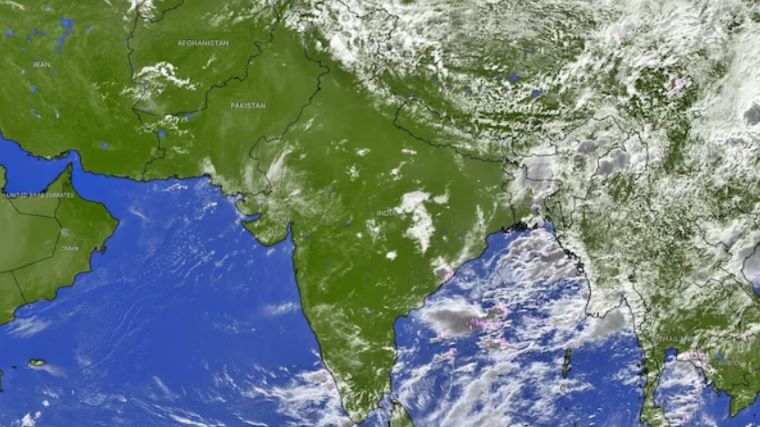
Meteorologists explain that atmospheric circulation patterns, moisture transport routes, and shifting weather systems have caused rain-bearing clouds to concentrate over northwestern parts of India rather than central and western regions.
As a result, several districts across Maharashtra have experienced prolonged dry spells despite the official onset of the monsoon season.
The rainfall shortage has been particularly noticeable in areas dependent on seasonal precipitation for agriculture. Farmers preparing for sowing operations are facing uncertainty as soil moisture levels remain below normal in many regions.
Mumbai Gets Some Relief, But Challenges Remain
Mumbai recently experienced rainfall that brought temporary relief from intense heat and humidity. Residents welcomed cooler temperatures after weeks of uncomfortable weather conditions.
However, weather experts caution that isolated rain events do not necessarily indicate a complete recovery of the monsoon system across Maharashtra.
Despite recent showers in Mumbai and surrounding areas, the overall rainfall deficit remains significant. Reservoir levels, groundwater recharge, and agricultural requirements depend on sustained rainfall over an extended period rather than a few isolated rain spells.
Water management authorities continue to monitor storage levels closely as the state enters a critical phase of the monsoon season.
Rajasthan’s Deserts Experience an Unusual Wet Spell
While Maharashtra waits for consistent rains, Rajasthan has become one of the unexpected beneficiaries of current monsoon dynamics.
Several desert districts have received rainfall well above normal levels, transforming landscapes that are typically associated with dry weather and sparse vegetation.
Experts suggest that monsoon trough positioning and atmospheric moisture transport have temporarily favored Rajasthan. Rain-bearing systems moving across northwestern India have delivered moisture deep into regions that generally receive limited precipitation.
The phenomenon highlights how even small shifts in monsoon circulation can dramatically alter rainfall distribution across the Indian subcontinent.
For many communities in Rajasthan, the rains have brought positive outcomes, including improved groundwater recharge, better conditions for agriculture, and relief from extreme summer temperatures.
Impact on Maharashtra’s Agriculture
Agriculture remains one of the sectors most vulnerable to monsoon variability.
Maharashtra is a major producer of crops such as cotton, soybean, sugarcane, pulses, and various horticultural products. Delayed or insufficient rainfall can significantly affect planting schedules and crop yields.
Farmers across several districts are waiting for more dependable rainfall before accelerating sowing activities. Extended rainfall deficits may force some growers to reconsider crop choices or delay cultivation decisions.
Agricultural experts note that the next few weeks will be crucial. If monsoon activity strengthens soon, many farmers may still be able to complete planting within acceptable timelines. However, prolonged dry conditions could increase risks to production and farm incomes.
Water Supply Concerns Grow
The rainfall deficit has also renewed concerns about urban and rural water supplies.
Major reservoirs supplying drinking water to cities and towns depend heavily on monsoon replenishment. Lower-than-normal rainfall during June can place additional pressure on water resources if the deficit continues through July.
Government agencies are closely monitoring reservoir inflows, groundwater conditions, and regional water availability. Contingency planning may become necessary if rainfall remains significantly below average.
The situation underscores India’s continuing dependence on a healthy monsoon season for water security, agriculture, energy production, and economic stability.
What Does the IMD Forecast Suggest?
The India Meteorological Department (IMD) has indicated that monsoon activity is expected to gradually strengthen over parts of Maharashtra in the coming days.
Weather systems developing over the Arabian Sea and Bay of Bengal could help restore moisture flow into western and central India. Forecasts suggest an increased likelihood of rainfall across several districts, offering hope for farmers and water managers.
Some regions have also been placed under weather advisories due to the possibility of thunderstorms and localized heavy rainfall.
Meteorologists emphasize that monsoon behavior can change rapidly, and rainfall distribution may become more balanced as the season progresses.
Understanding the Bigger Climate Picture
The contrasting weather patterns observed in Maharashtra and Rajasthan highlight the increasing complexity of India’s monsoon system.
Climate scientists have repeatedly noted that weather events are becoming more variable, with some regions experiencing rainfall deficits while others receive excessive precipitation within the same season.
These fluctuations can be influenced by multiple factors, including ocean temperatures, atmospheric circulation patterns, regional weather systems, and broader climate variability.
While a single season does not define long-term climate trends, unusual rainfall distribution serves as a reminder of the challenges associated with forecasting and managing water resources in a changing environment.
Looking Ahead
The coming weeks will be critical for Maharashtra. Farmers, urban planners, and water authorities are hoping that monsoon activity intensifies and helps reduce the current rainfall deficit.
At the same time, Rajasthan’s unexpected rains demonstrate how dynamic and unpredictable the Indian monsoon can be.
Whether the current imbalance persists or gradually corrects itself will depend on evolving atmospheric conditions throughout the remainder of the monsoon season.
For now, Maharashtra waits for the rains it desperately needs, while Rajasthan enjoys an unusually wet start to the season.
FAQs
Why is Maharashtra facing a rainfall deficit in June 2026?
Meteorologists attribute the deficit to unusual monsoon circulation patterns, slower monsoon advancement, and moisture transport being directed toward northwestern India instead of Maharashtra.
How much rainfall deficit has Maharashtra recorded?
State officials have reported that Maharashtra experienced approximately an 80 percent rainfall deficit during June 2026.
Why is Rajasthan receiving more rain than usual?
Changes in monsoon trough positioning and atmospheric moisture flow have favored Rajasthan, allowing rain-bearing systems to bring significant rainfall into desert regions.
Has Mumbai received any rainfall recently?
Yes. Mumbai has experienced recent rainfall that provided relief from heat and humidity, although the state’s overall rainfall deficit remains substantial.
Will Maharashtra receive more rain soon?
Weather forecasts suggest that monsoon activity may strengthen in the coming days, increasing the chances of rainfall across several parts of Maharashtra.
How does a rainfall deficit affect farmers?
Insufficient rainfall can delay sowing, reduce soil moisture, impact crop growth, and potentially lower agricultural productivity if dry conditions persist.
What role do reservoirs play during the monsoon?
Reservoirs store rainwater that supports drinking water supplies, irrigation, and other needs throughout the year. Strong monsoon rainfall is essential for replenishing these water reserves.